TR
TR
 EN
EN

Why is choosing a women’s volleyball uniform about more than design?
Colour and graphics matter, but movement, fit, textile, jersey length, shorts or tights choice and size distribution are equally important. Serving, spiking, blocking and defensive movement require broad shoulder, torso and leg mobility. Incorrect proportions can distract players and require constant adjustment during a match.
VOLLEYBALL Explore Our Models
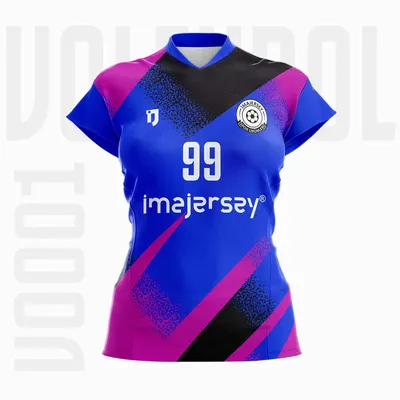
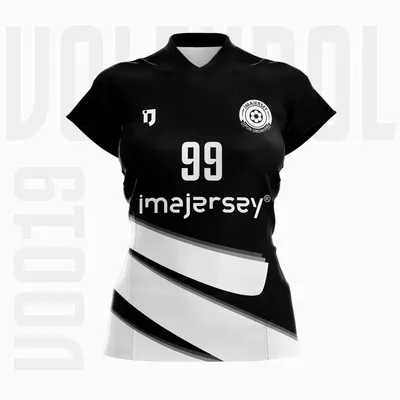
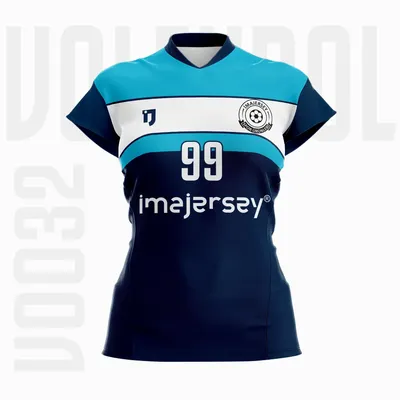
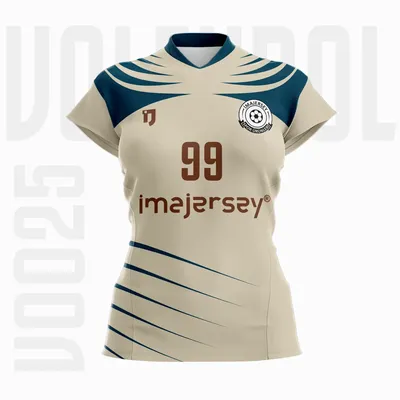
This guide focuses specifically on coordinating the jersey, volleyball shorts and athletic tights for women’s teams rather than repeating the general production process. Browse women’s volleyball uniform designs for available sets and starting prices.
What can a women’s volleyball set include?
- Short-sleeve jersey and volleyball shorts
- Short-sleeve jersey and athletic tights
- Match set with coordinated team tracksuit
- Main team set and contrasting libero set
- Additional jersey or spare libero top
Players may not always need the same lower-garment type, but team and competition rules must be checked. When shorts and tights are used together, colour, crest and general visual identity should remain coordinated.
How should the jersey fit?
A women’s volleyball top may follow the body without restricting the shoulders, underarms or chest. It should not rise excessively when the player lifts both arms, and the armhole should remain comfortable during spiking and blocking.
Close fit versus athletic fit
A close fit looks streamlined but should not be selected from appearance alone. Without sufficient textile stretch it can restrict movement. An athletic fit follows the player while retaining controlled ease. One sample should not automatically define the entire squad when body shapes vary.
Why does jersey length matter?
An overly short jersey rises during jumping; an excessively long top can bunch over shorts or tights. Assess torso length together with player-height distribution and the chosen lower garment.
How do sleeves and neckline affect movement?
Set-in sleeves create a classic shoulder line, while raglan sleeves run toward the neckline and support a dynamic design surface. Both can work with correct pattern engineering and material choice.
Crew, V and mandarin necklines are common; V-polo and buttoned polo options can provide a more institutional appearance. The neckline should remain comfortable around the neck throughout play and should be reviewed with the back and shoulder construction.
What should teams check in volleyball shorts?
Shorts need to support jumping, low defensive positions and lateral movement. The waistband should remain stable without excessive pressure.
- Length: Match age group, comfort and competition rules.
- Stretch: Support hip and leg movement.
- Waist: Remain balanced during long sessions.
- Opacity: Stay opaque when stretched.
- Seams: Avoid friction in high-movement zones.
A shorts side panel can continue the jersey identity, but too many small sponsors and words reduce clarity on the limited surface.
When are volleyball tights suitable?
Athletic tights can suit players who prefer a close, controlled feel. Volleyball tights are not the same as casual leggings: they must recover during movement, remain stable at the waist and provide sufficient opacity during squatting and jumping.
Short, above-knee or longer options may be evaluated according to use. Size should consider waist, hip, leg and product length. A garment that is too small limits movement and overstretches the textile; one that is too large can move during play.
Shorts or tights?
| Criterion | Shorts | Tights |
|---|---|---|
| Movement feel | Free and traditional | Close and controlled |
| Fit sensitivity | Moderate | High; accurate sizing is essential |
| Design area | Side panel and hem | Restrained graphics suited to stretch |
| Team use | Widely adaptable | Depends on players and regulations |
If both options are used, preserve colour and crest standards and record the lower-garment type and size separately for every player.
How should textiles be selected?
Indoor temperature, training frequency, stretch and graphic surface affect the decision. Damla and Jarse may provide an economical balance; Polymesh, Puma and stretch textiles offer different mobility and weight characteristics. German Mesh and American Mesh may support airflow or panel applications.
The top, shorts and tights do not need to use an identical textile. The top may prioritise breathability while the lower garment needs more stretch and opacity. Compare real materials and current prices in the sports jersey fabric comparison.
How should the libero uniform be planned?
The libero must be clearly distinguishable. Changing only a small sleeve or neckline detail may not create enough contrast. Use a light base against a dark main kit or a strong dark base against a light team uniform.
Maintain the crest, number style, sponsor system and visual language so the libero still belongs to the same club. Mark the libero in the player list and include a second libero product where necessary.
How can names and numbers remain readable?
The back number should not disappear into a dense pattern. Reserve a calm central zone, strong contrast and sufficient stroke weight. Extremely decorative or small player names are difficult to read from stands and cameras.
Front number, crest and sponsors should not crowd each other. Verify spelling and numbers against the final roster before production.
How should the team size list be prepared?
- Player identity and exact print name
- Back number
- Jersey size
- Shorts or tights choice
- Lower-garment size
- Libero or special-role note
- Length or fit note
Do not assume top and lower size will always match. The player-list editor on imajersey product pages keeps the information in one structure. Use the custom jersey preparation guide for artwork and roster files.
What changes for schools, colleges and clubs?
School teams may include changing age groups and seasonal roster updates. Clubs may need league compliance, sponsor placement and repeat-order consistency. Archive the approved artwork, colours, typeface and player-list structure after the first order.
Tournament teams should plan around the fixture date and possible substitutes rather than ordering only for the minimum active lineup.
How do teams request a design?
- Choose a reference from the volleyball uniform collection.
- Review set, neckline, textile and fit.
- Confirm each player’s top and lower-garment choice.
- Enter names, numbers and sizes in the player-list editor.
- Add libero colour, crest, sponsor and design notes.
- Use the WhatsApp price-and-design-information option or complete the design request.
Frequently asked questions
Can some players wear shorts and others wear tights?
If team and competition rules permit, different lower garments can be planned. Preserve colour and crest standards and record each choice separately.
Does the libero need a completely separate design?
The libero needs strong contrast while retaining the crest, typography and design family of the main team kit.
Should top and lower sizes match?
Not necessarily. Body shape and garment construction can require different sizes, so record both independently.
What is the minimum quantity?
Custom production starts from six pieces. Final price depends on the set, textile, neckline, fit and player requirements.
Conclusion: coordinate team identity with player comfort
A women’s volleyball uniform should do more than place every player in the same colours. Coordinating the top, shorts or tights, libero option, textile, sizing and personalisation creates a professional identity that supports movement.
Browse volleyball uniform designs and send your quantity, size range and required date through the imajersey contact page for price and design information.