TR
TR
 EN
EN
How to Plan a Custom Team Jersey Order
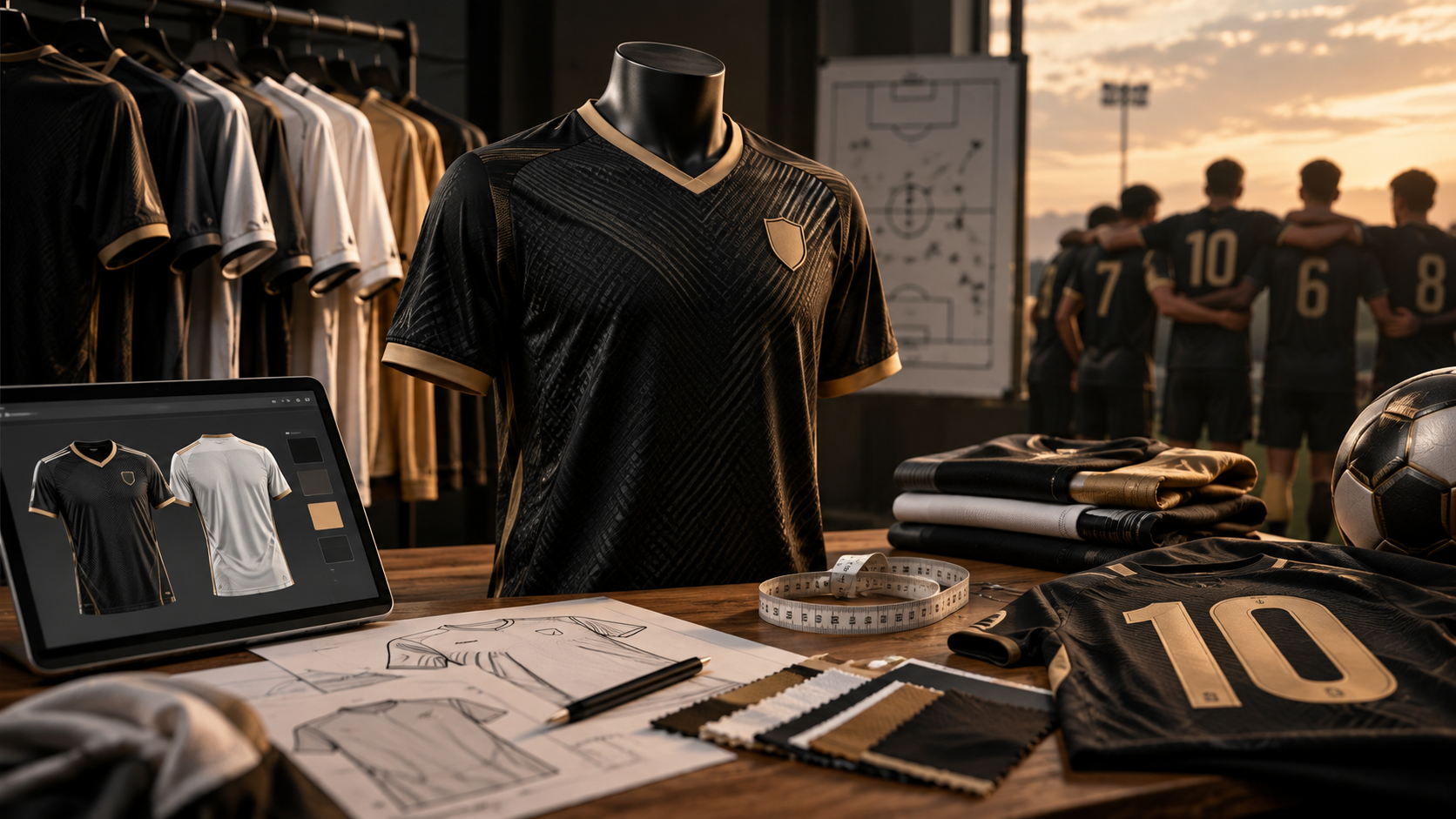
Ordering custom team jerseys involves much more than choosing an attractive design. A coordinated kit that fits every player, remains easy to manage throughout the season and arrives without personalisation errors requires a clear plan for the roster, sizing, artwork, names, numbers, delivery and future replacements. For schools, amateur clubs, corporate teams and organised leagues, one incorrect spreadsheet entry can become a wrong size, a duplicated number or a missing player set.
Explore Our Models
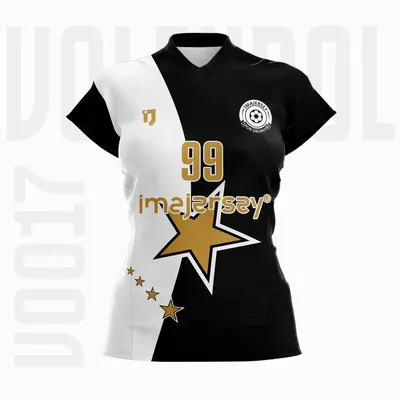
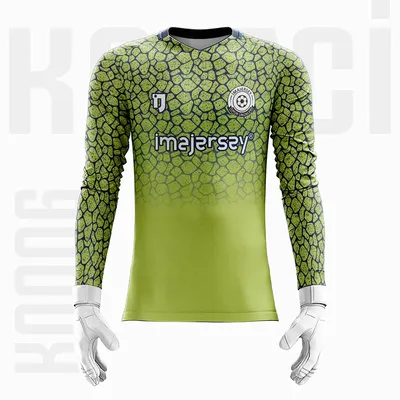
This guide focuses on the team manager’s work rather than repeating the general manufacturing process. It explains how to collect reliable player information, approve one final artwork version, prevent name-and-number mistakes and prepare for distribution. For supplier assessment, read our sports jersey manufacturer selection guide. For the standard production sequence, see the jersey ordering process guide.
Define what the team actually needs
The first question for a bulk teamwear order should not be “Which design do we like?” but “Who will use these kits, where and how often?” A social five-a-side team and a club with weekly training and league fixtures need different fabric performance, set contents and spare-kit planning. Sport, age group, climate, frequency of use and the competition calendar should shape the order.
Agree on the following points before requesting a quotation:
- The sport, competition and expected frequency of use
- Jersey only, jersey and shorts, or a complete set with socks
- The number of active players, goalkeepers, staff members and substitutes
- Whether this is a one-season order or the design must support future reorders
- Player names, numbers, club crests and sponsor requirements
- The first-use date and a realistic buffer for shipping and inspection
Compare sport-specific options in the football jersey, basketball jersey, volleyball jersey and handball jersey collections. This gives the manufacturer concrete references that match the team’s activity.
Turn the roster into a controlled order sheet
The player list is the most important document in a custom team uniform project. Names and sizes arriving through separate chat messages should never be sent directly to production. Create one master sheet in which every player occupies one row. Include a row number, full name, exact print name, shirt number, jersey size, shorts size, fit preference and a notes field.
A player’s legal name may differ from the name required on the jersey. “Alexander Thompson” might request “A. THOMPSON” or a short nickname. The manufacturer should receive only the approved print text. Capitalisation, spaces, punctuation and accented characters must be checked because the artwork will normally reproduce the approved sheet exactly.
Numbers require a separate duplicate check. Some leagues do not allow two active players to use the same number. Goalkeepers should be clearly marked, and staff garments should be separated from the player roster. Before submitting the final sheet, show the team the full number allocation rather than asking each player to check only an individual line.
Do not rely on everyday clothing sizes
“I normally wear a large” is not a reliable production measurement. Athletic fits vary by supplier, fabric and garment pattern. Obtain the current garment measurement chart and compare chest width, body length and shorts waist with a sports garment that already fits the player. Make it clear whether the chart shows body measurements or a garment measured flat.
Mixed squads may require men’s, women’s and youth patterns instead of one unisex fit scaled up and down. Record relaxed or fitted preferences where relevant. Jersey and shorts sizes should be allowed to differ, because forcing both pieces into one size is a common source of uncomfortable team sets.
A sample-size fitting is the safest approach when the budget and schedule permit it. If samples are unavailable, ask every player to confirm the selected size in writing. Once a garment has been printed with an individual name and number, changing the size usually requires a replacement to be manufactured.
Plan for substitutes and mid-season changes
Players join after the season starts, kits become damaged and additional numbers may be required. Ordering only for today’s active roster leaves no room for change. Depending on the team structure, consider one or two unnamed spare jerseys, additional shorts in commonly used sizes or neutral staff garments.
Check league rules before assigning numbers to spare jerseys. Unnamed spares provide greater flexibility in emergencies. At the same time, ask the manufacturer whether the artwork, colour references, typefaces and personalisation layout will be retained so that a future player can receive a consistent replacement.
Translate the team identity into practical artwork
An effective custom jersey does more than place a crest on the chest. Primary and secondary colours, visibility under match lighting, number contrast, sponsor areas and the way a pattern behaves across different sizes must be considered together. A useful design brief contains colour references, a vector crest where possible, sponsor artwork, preferred collar, visual references and any league restrictions.
Teams looking for adaptable design references can explore the digital jersey collections. If the design will be developed from the beginning, the jersey design guide helps structure decisions about colour, pattern and placement.
Legibility is as important as style. The back number needs strong contrast against its background, the pattern should not break the number outline, and sponsor marks need sufficient separation. The goalkeeper kit should retain the team identity while remaining clearly distinguishable from outfield players. Dedicated goalkeeper jersey options can be included in the same order plan.
Use one authorised person for final approval
Team feedback is valuable, but one representative should manage final communication with the manufacturer. When several players send independent changes through different channels, version confusion is almost inevitable. Collect internal feedback, combine it into one numbered revision and send one response.
The final approval artwork should show the front, back and relevant side views. Confirm each of these points:
- Correct versions and colours of the club and sponsor logos
- Collar, sleeves, shorts and side panels match the approved concept
- Name and number typefaces remain clear and readable
- Logos and numbers stay within safe areas across all garment sizes
- Goalkeeper and outfield designs are correctly separated
- The file contains a visible revision date or version reference
Instead of sending a vague “approved” message, identify the exact approved filename or revision number. This simple record prevents an older artwork file from being released to production.
Select fabric and set contents for real conditions
Fabric should not be selected by price alone. Breathability, stretch, surface texture, opacity, moisture transfer and wash durability need to match the sport and frequency of use. A fabric can behave differently outdoors, in a warm indoor hall or during a high-contact game. The sports jersey fabric guide compares the main performance criteria in detail.
The quotation must define the set contents. Clarify whether “jersey” means the shirt only or a shirt-and-shorts set. Socks, goalkeeper garments, training tops and staff apparel should appear as separate lines. If the club wants a coordinated appearance away from the pitch, custom tracksuits can follow the same colour system.
Compare total cost per player
Comparing only the headline unit price can produce a false saving. Review fabric, set contents, names and numbers, club and sponsor printing, design work, special-size charges, tax and shipping on the same basis. An omitted item can materially change the final cost.
Calculate the practical cost per player after including goalkeeper sets, spare garments and delivery. Our sports jersey pricing guide explains the variables that influence a quotation. The exact price will still depend on quantity, fabric, neckline, fit and chosen set.
Work backwards from the first match
Delivery one day before the first fixture is not a safe schedule. Allow separate time for the design brief, revisions, player-list completion, production, inspection, transport and any corrective action. Set an internal delivery deadline for the team manager rather than using the match date as the delivery target.
When the shipment arrives, open and check every set against the approved roster. There must be enough time to report a missing piece or personalisation error before the tournament begins. International teams should also account for transit, customs processing and local distribution.
Make distribution part of the plan
Individual packing saves the team manager hours of sorting. Each player’s jersey and shorts can be packed together with the name, number and size visible on the label. Goalkeeper, staff and spare products should form separate groups.
Count the packages against the master order sheet before distribution and mark each set when it is handed to the player. Share care instructions at the same time. The sports jersey washing and care guide helps protect sublimated colours, fabric structure and personalisation through the season.
Final checklist for a bulk custom jersey order
- Are active players, goalkeepers, staff and spare quantities listed separately?
- Has every print name, number, jersey size and shorts size been approved?
- Has the sheet been checked for duplicate numbers and spelling errors?
- Were the correct crest and sponsor artwork files supplied?
- Did one authorised representative approve the final artwork in writing?
- Are fabric, fit, collar and set contents written into the quotation?
- Are taxes, shipping, personalisation and additional fees clear?
- Is there sufficient time before the first match for delivery and inspection?
- Have future replacement and reorder conditions been confirmed?
Conclusion: organised ordering creates reliable teamwear
A successful custom team jersey order depends as much on information management as it does on design. One controlled roster, measurement-based sizing, written artwork approval, a realistic schedule and labelled packing prevent the majority of avoidable errors. The result is a coordinated kit that the team manager can distribute confidently and reproduce when the squad changes.
To compare designs, fabrics and set options for your team, visit the custom jersey service or contact imajersey for a quotation with your sport, quantity, size range and required date. The minimum quantity for custom production is six pieces.