TR
TR
 EN
EN
How to Choose a Custom Sports Jersey Manufacturer
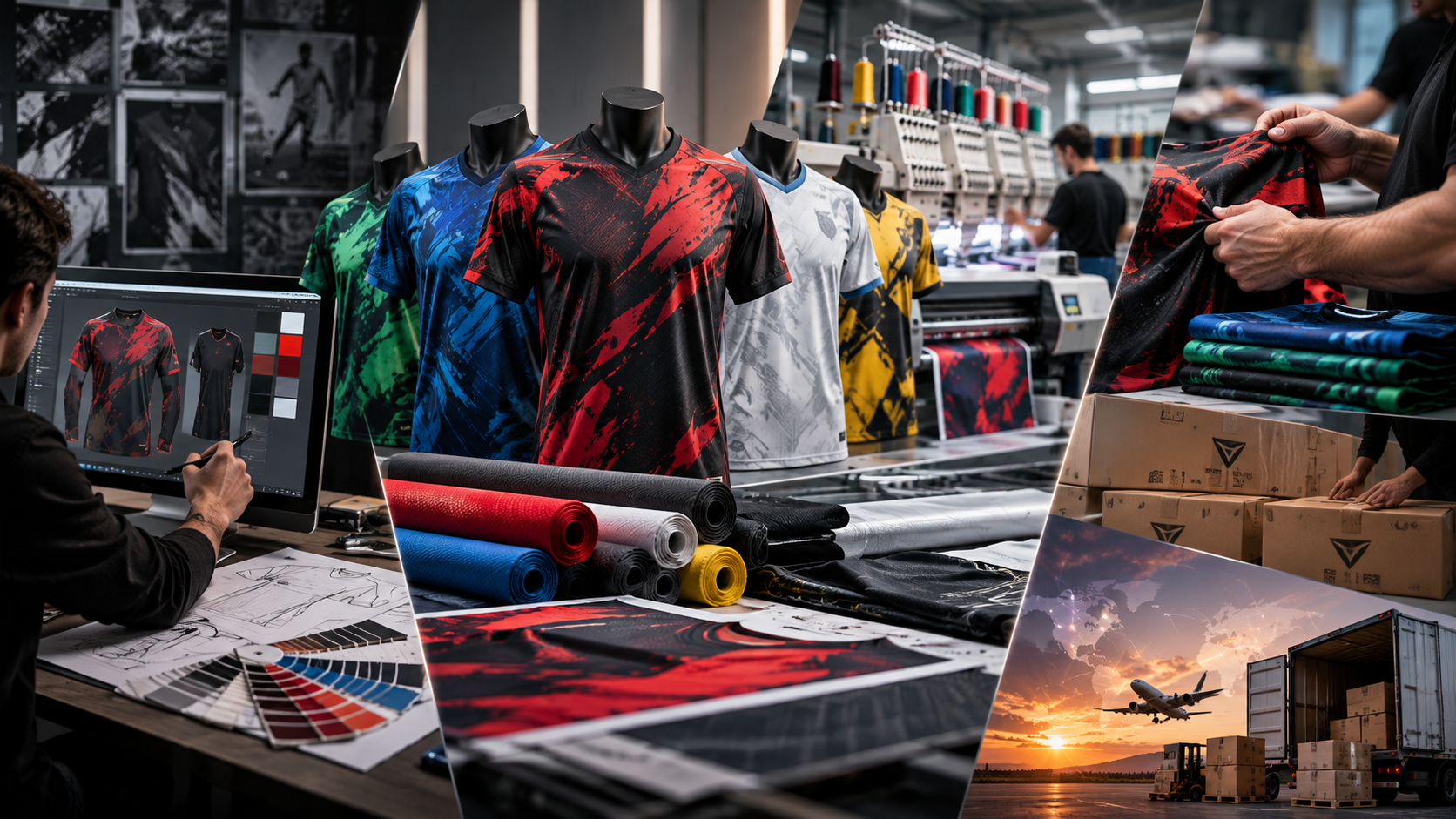
Choosing a manufacturer for custom teamwear involves far more than sending a logo and selecting a colour. Fabric performance, fit, print durability, number legibility, stitching quality and delivery reliability all depend on the manufacturer’s technical process. For this reason, comparing custom sports jersey manufacturers only by unit price can lead to expensive mistakes.
Explore Our Models
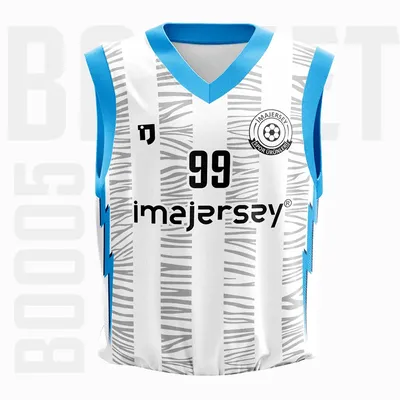
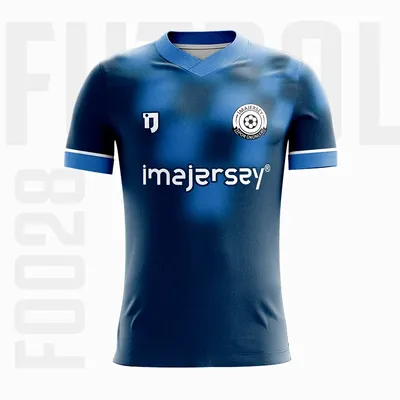

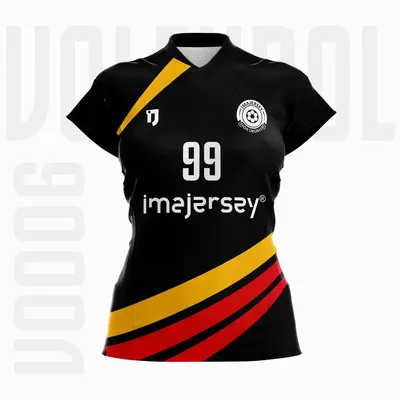
A capable manufacturer does not simply forward artwork to a printer. The team should analyse the sport, recommend suitable fabrics and fits, check whether the design can be produced correctly, manage colour expectations and inspect every set before packing. This guide explains how clubs, schools, amateur teams, companies and international buyers can assess a jersey supplier before placing an order.
Define the order before requesting quotations
Football, basketball, volleyball and handball uniforms should not be specified in the same way. Sleeve construction, neckline, fit, ventilation and contact resistance change according to the sport. Football jerseys require freedom of movement and moisture control, while basketball jerseys need lightweight construction and comfortable arm openings. Volleyball uniforms should support rapid movement and breathability; handball uniforms must also withstand pulling and frequent physical contact.
Prepare the following information before contacting manufacturers:
- Sport and level of use: training, amateur league or professional competition
- Total quantity and preliminary size breakdown
- Jersey only, jersey and shorts, or a complete set
- Team colours, logos, sponsors, player names and numbers
- Required delivery date and the first match or tournament date
- Whether replacement pieces or repeat orders may be needed later
This prevents misleading comparisons. One quotation may cover a jersey only, while another includes shorts, personalisation, design work and individual packing.
Manufacturer or reseller: what should you verify?
Ask where design preparation, printing, cutting, sewing and quality control are performed. Some suppliers manage every stage in one workshop, while others use specialist production partners. Outsourcing is not automatically a problem; the important issue is traceability and having one party responsible for the final result.
Request real workshop images, recent teamwear examples, references and fabric samples. A manufacturer’s completed projects should demonstrate more than visual variety. They should show consistent construction across different sports, sizes and designs. Inspect sample garments for straight stitching, symmetrical collars, accurate panel alignment and consistent colour.
Evaluate fabric by performance, not by name
The same design can perform very differently on two fabrics. Fabric weight alone does not determine quality. Knit structure, stretch direction, moisture transfer, surface texture, opacity and compatibility with sublimation should be considered together.
A good supplier does not claim that one fabric is best for every order. A volleyball team playing in a warm indoor hall and a football team training outdoors need different performance characteristics. Ask why a fabric is suitable for your sport, climate and expected frequency of use. Our detailed sports jersey fabric guide explains the main selection criteria.
When reviewing a sample, check:
- Whether the fabric becomes excessively transparent when stretched
- Whether its stretch direction works with the proposed fit
- How quickly it returns to shape after movement
- Whether the inner surface feels rough against the skin
- Whether printing changes the softness, colour or breathability
Sublimation printing and colour management
Digital sublimation allows patterns, gradients, logos, sponsors, names and numbers to become part of the fabric rather than sitting as a heavy layer on its surface. When the fabric, ink, transfer settings and artwork are correct, the print does not crack or peel.
Professional manufacturers should explain that monitor colours and printed fabric colours can differ. For critical corporate or club colours, a small printed colour test is useful. Low-resolution logos, thin outlines and unsuitable artwork should be corrected before production. A supplier experienced in digital jersey production should be able to describe its artwork checks and colour-approval process clearly.
Fit, sizing and movement testing
Size labels are not universal. Chest width, body length, shoulder measurement, arm opening and shorts waist can vary between suppliers. Always request the current measurement chart and match players to garment measurements instead of relying only on their usual clothing size.
Mixed squads may require men’s, women’s and youth fits rather than one pattern scaled up and down. An effective athletic fit should not rise excessively during movement, restrict the shoulders or distort the name and number area. For a substantial order, testing sample sizes can prevent costly replacements.
Stitching and garment quality control
An attractive print cannot compensate for weak construction. Shoulder seams, underarms, side panels, necklines and the shorts crotch receive considerable stress and must be sewn consistently. Thread tension should not gather the fabric, and rough seam allowances should not irritate the athlete.
A pre-dispatch inspection should verify:
- Quantity, size, player name and number against the approved list
- Correct placement of club logos and sponsors
- Colour consistency between all garment panels
- Collar, sleeve and side-panel symmetry
- No skipped stitches, loose threads, stains or fabric damage
- Correct labelling and packing of each player set
Minimum order quantity, lead time and repeat orders
Manufacturers set minimum order quantities according to their production system. Sublimation is suitable for small and medium team orders, but artwork preparation, print layout, cutting and sewing still require production planning. imajersey’s minimum quantity for custom production is six pieces.
A realistic lead time includes artwork approval, size confirmation, fabric preparation, printing, cutting, sewing, inspection and shipping. Teams with a fixed tournament date should allow contingency time. Ask whether the digital artwork and colour specification will be retained for replacement players and future repeat orders.
Compare the complete quotation
Every quotation should identify fabric, set contents, neckline, fit, name and number personalisation, logo and sponsor printing, design service, revisions, taxes, shipping and any additional fees. A lower unit price may be based on a lighter fabric, a standard fit, jersey-only packaging or separately charged personalisation.
Clarify the payment schedule, what happens after design approval, how production faults are resolved and how delays will be communicated. A trustworthy manufacturer provides a realistic plan instead of promising an impossible turnaround.
Additional checks for international teamwear orders
International buyers should confirm measurement units, currency, shipping method, estimated transit time, customs responsibilities and the delivery term. An English technical approval document and a structured player list reduce misunderstandings. Written approval of artwork, colours and sizes creates a reliable record across time zones.
Packaging also matters. Individually labelled player sets make distribution easier, while moisture-resistant outer packaging protects the garments during international transport. Ask for tracking information and clarify who will handle a damaged or incomplete shipment.
A practical manufacturer checklist
- Can the supplier show recent production examples for your sport?
- Can it explain the performance benefit of each proposed fabric?
- Does it provide an accurate size chart and sample options?
- Are logos, colours and placements checked before approval?
- Is the player name and number list verified systematically?
- Are lead time, set contents and additional costs documented?
- Can the design be reproduced consistently for repeat orders?
Conclusion: choose a controlled process, not simply the lowest price
The right custom jersey manufacturer treats design, fabric, printing, fit, sewing and delivery as one connected process. It identifies the team’s needs before production and creates clear approval points throughout the project. The result is not merely an attractive jersey, but teamwear that retains its comfort, colour and professional appearance through repeated use.
To compare fabrics, set options and production details for your team, explore the imajersey sports-specific collections above or contact imajersey for a custom quotation with your quantity, sizes and required delivery date.