TR
TR
 EN
EN
How should a custom raincoat order be planned?
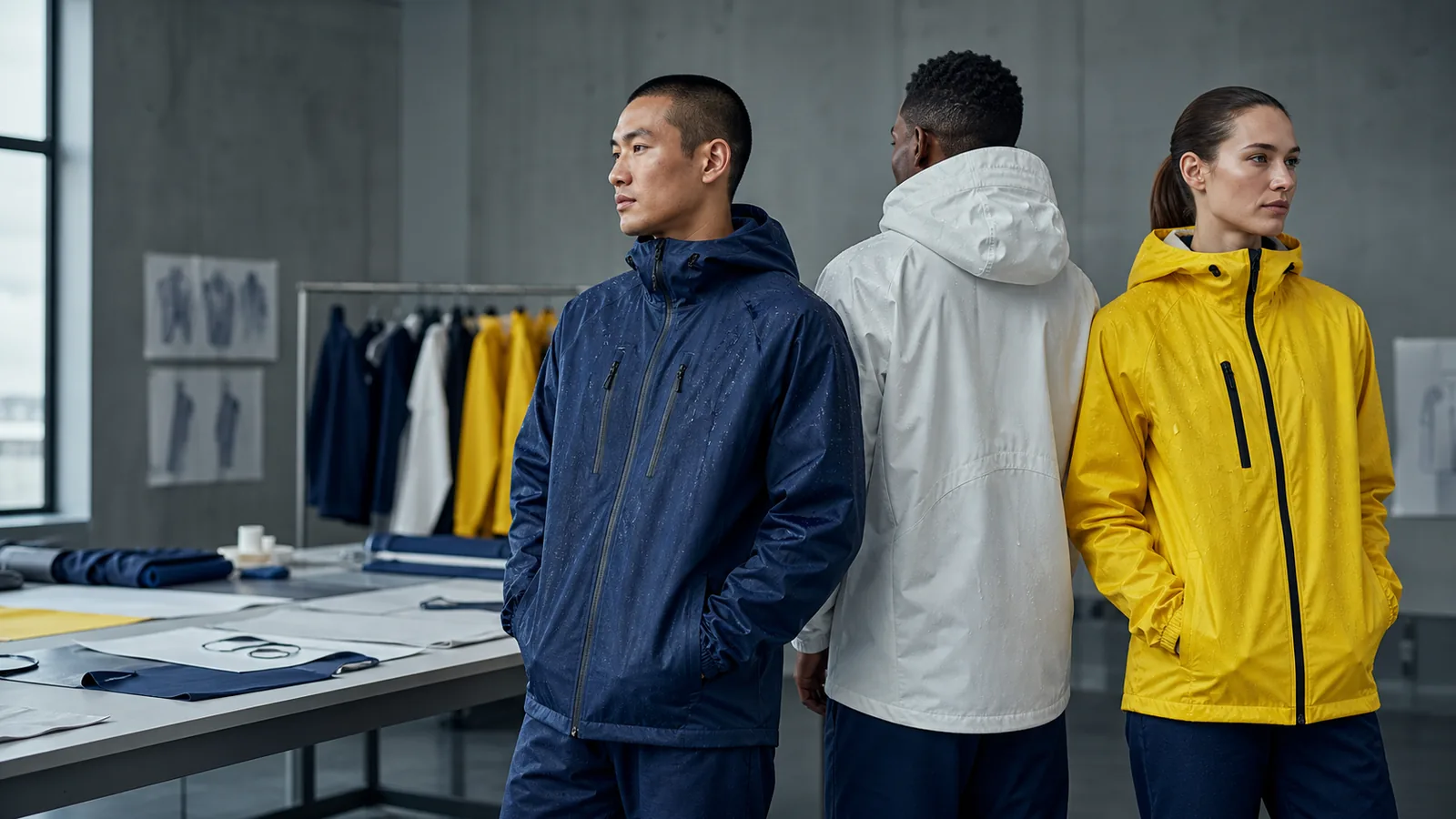
Custom raincoat manufacturing involves more than applying a logo to a ready-made jacket. The weather, duration of use and clothing layers underneath affect fabric, fit, hood, zip, ventilation and branding decisions. A player waiting beside a pitch and a member of event staff working outdoors do not have identical requirements.
This guide helps sports clubs, schools, municipalities, event teams and companies prepare a clear brief for a custom rain jacket order. Its purpose is to define practical requirements before requesting quotations, compare genuinely equivalent products and create a controlled process from sample approval to delivery. Explore the available structures and colours in our raincoat models.
Define the use case first
Tell the manufacturer whether the garment will be used during training, on match days, for travel, at outdoor events or as daily staff clothing. The use case determines weight, lining, length, pockets and the required balance between protection and mobility.
- Sports teams: Allow room over a jersey or tracksuit without restricting movement.
- Field and event staff: Prioritise durability, visibility and secure storage.
- Schools and academies: Separate youth size groups and make identification easy.
- Corporate teams: Control brand colours, logo standards and departmental quantities.
Water resistance and waterproofing are not identical
A water-repellent surface can help droplets roll away during light, short rain. Waterproof performance depends on the fabric coating or membrane as well as seams, zips and construction details. A fabric name alone does not guarantee protection during prolonged heavy rain.
Ask for fabric weight, surface treatment, breathability and relevant technical information. Heavier is not automatically better: active users can become uncomfortable if heat and moisture remain trapped inside. Protection and ventilation need to match the intended activity.
Fabric, lining and seam construction
Light coated polyester and similar technical fabrics can suit packable team rainwear. Frequent outdoor use requires attention to abrasion, tear resistance and the behaviour of the coating after repeated folding. A mesh lining may improve comfort and separation from the outer shell, while an unlined construction can reduce weight when the jacket is worn over other layers.
Seams are potential water-entry points. If stronger weather protection is required, specify seam taping, protected zips and covered pockets in the brief. Compare thread, zip, cuff, hem and hood construction rather than judging quotations by the outer appearance alone.
Hoods, cuffs, pockets and zips
The hood should preserve head movement and visibility while remaining stable in wind. Adjustment systems, peak shape and collar height depend on the users. Safety should be considered carefully when long loose cords could be worn by children or active players.
Elastic or adjustable cuffs can reduce wind and rain entry. Pocket location and closure should reflect what users need to carry. Two-way or water-resistant zips can increase cost, so quotations should identify these components clearly instead of treating every zip as equivalent.
Custom design and corporate colours
A custom team raincoat can communicate identity through its main colour, contrast panels, piping, zip and hood rather than relying on a crest alone. Screen colours can differ from physical fabric. When exact brand colour matters, evaluate an approved code alongside a real fabric or print sample.
For clubs, coordinate the rain jacket with match kits and tracksuits. Strong contrast improves crest, sponsor and staff-marking visibility. Fine lines and small text can lose clarity on a moving garment, so approve artwork at its actual production size on front and back views.
Print or embroidery?
The correct branding method depends on the coating, heat sensitivity, logo size, colour count and order volume. Transfer methods can suit small multicolour marks, screen printing may be efficient at scale, and embroidery can create a premium finish. However, embroidery adds needle holes and weight, which may not suit every lightweight waterproof shell.
List every variable name, role, number or sponsor separately. Test adhesion and surface response before production. For a sport-specific branding perspective, see our custom printed rain jacket guide for teams.
Plan the size distribution
Rain jackets are normally worn over other garments, so a T-shirt size is not a reliable basis for ordering. Compare chest width, body length and sleeve measurements with a comfortable existing outer layer. If possible, test the sample over the jersey, sweatshirt or tracksuit that users will actually wear.
Keep size and quantity in separate columns and do not mix youth, women’s and adult fits. For personalised garments, match name, role, number, size and quantity on one row. A sensible quantity of spares can reduce the need for a small repeat production later.
Why sample approval matters
A sample verifies much more than colour. Check fit, zip movement, hood visibility, pocket access, logo adhesion and comfort during movement. Test it with the real clothing layers and record every approved component in a single specification.
A single authorised representative should approve the final version. Conflicting changes sent by several managers create avoidable risk. Keep colour, fabric, fit, logo size, placement, components and packaging in one written approval record.
Build a specification for comparable quotations
Two quotations using the words “custom raincoat” may describe very different products. Send every supplier the same written brief containing:
- Use case and expected frequency
- Total quantity and size distribution
- Fabric, weight and required weather protection
- Lining, seam, zip, pocket, cuff and hood details
- Approved colours and artwork files
- Branding locations and approximate sizes
- Sample, revision, production and delivery schedule
- Tax, shipping, packaging and personalisation scope
Evaluate sample quality, references, production capacity and quality control alongside price. Our manufacturer selection guide provides a broader supplier checklist.
Production and quality control
After approval, the usual stages include material preparation, cutting, printing or embroidery, sewing, intermediate inspection and packing. Confirm logo direction and scale on the first pieces. Check size labels, colour consistency, stitching, zip operation and quantities before dispatch.
If a specific level of rain performance is required, agree how it will be assessed on the sample and production batch. A visually clean jacket is not automatically suitable for prolonged exposure. Count packages against the order sheet on arrival and match personalised garments to their users.
Care and service life
High heat, bleach and harsh chemicals can damage coated technical fabrics. Close zips, wash with similar colours at the temperature recommended by the manufacturer and avoid direct ironing over print or coating. Never leave damp jackets sealed in kit bags.
Store clean and fully dry garments on hangers or loosely folded rather than compressed for long periods. Provide written care instructions at distribution so every user follows the same process.
Frequently asked questions
What is the minimum order quantity?
The minimum depends on the model, fabric and branding method. imajersey generally produces custom orders from six pieces; the final condition is confirmed for the selected specification.
Can every raincoat be printed?
Not every coating responds to heat and adhesive in the same way. A production sample is the safest way to verify the selected method.
Which size should a team order?
Use the manufacturer’s measurement chart and test over the intended clothing layers. Do not automatically order one size larger without checking the actual fit.
What affects lead time?
Quantity, fabric supply, custom colours, components, branding, sampling and revision rounds all affect production time. Work backwards from the season or event date.
Conclusion: a precise brief produces the right raincoat
A successful custom raincoat order combines a clear use case, suitable fabric, practical construction, controlled artwork and written approval. A shared specification enables teams and organizations to compare quotations fairly and avoid surprises at delivery.
Explore custom raincoat options or contact imajersey with your quantity, sizes, logo files, use case and required delivery date. Product-specific pricing is prepared after the technical details are confirmed.