IMAJERSEY JERSEY GAZETTE

Issue: 02 • Special Edition • Updated Guide

Everything You Need to Know About Custom Volleyball Jerseys

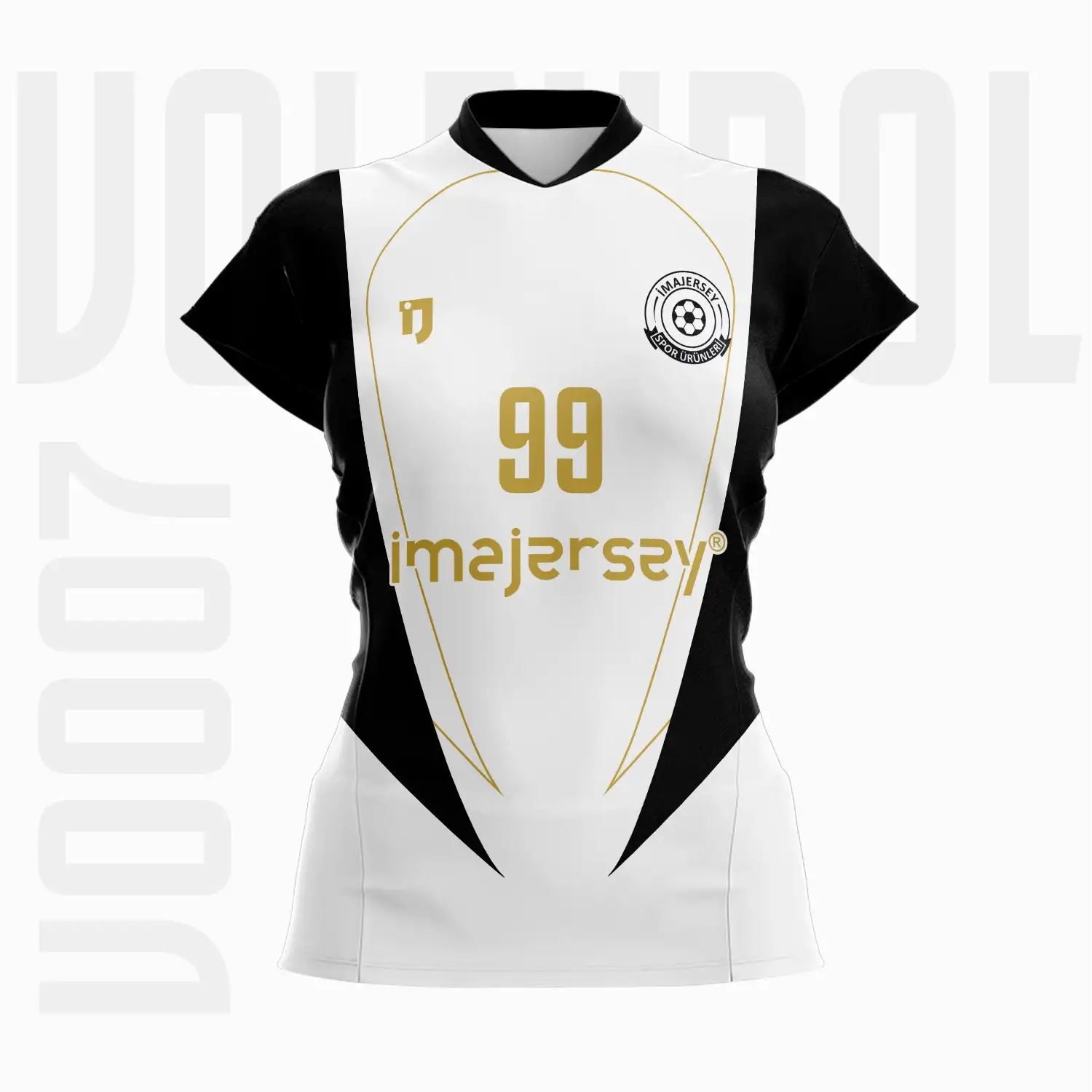
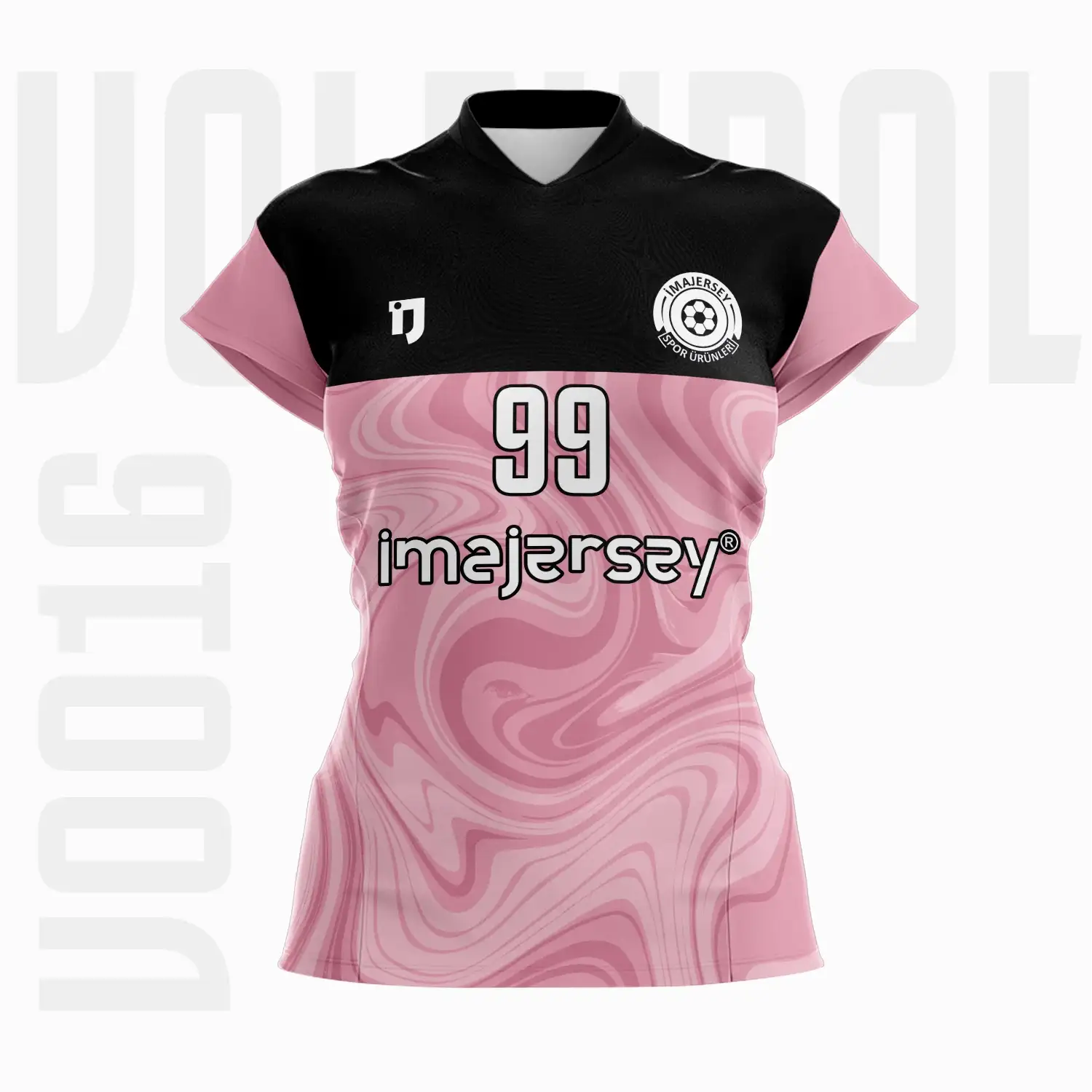
Professional Volleyball Jersey Example

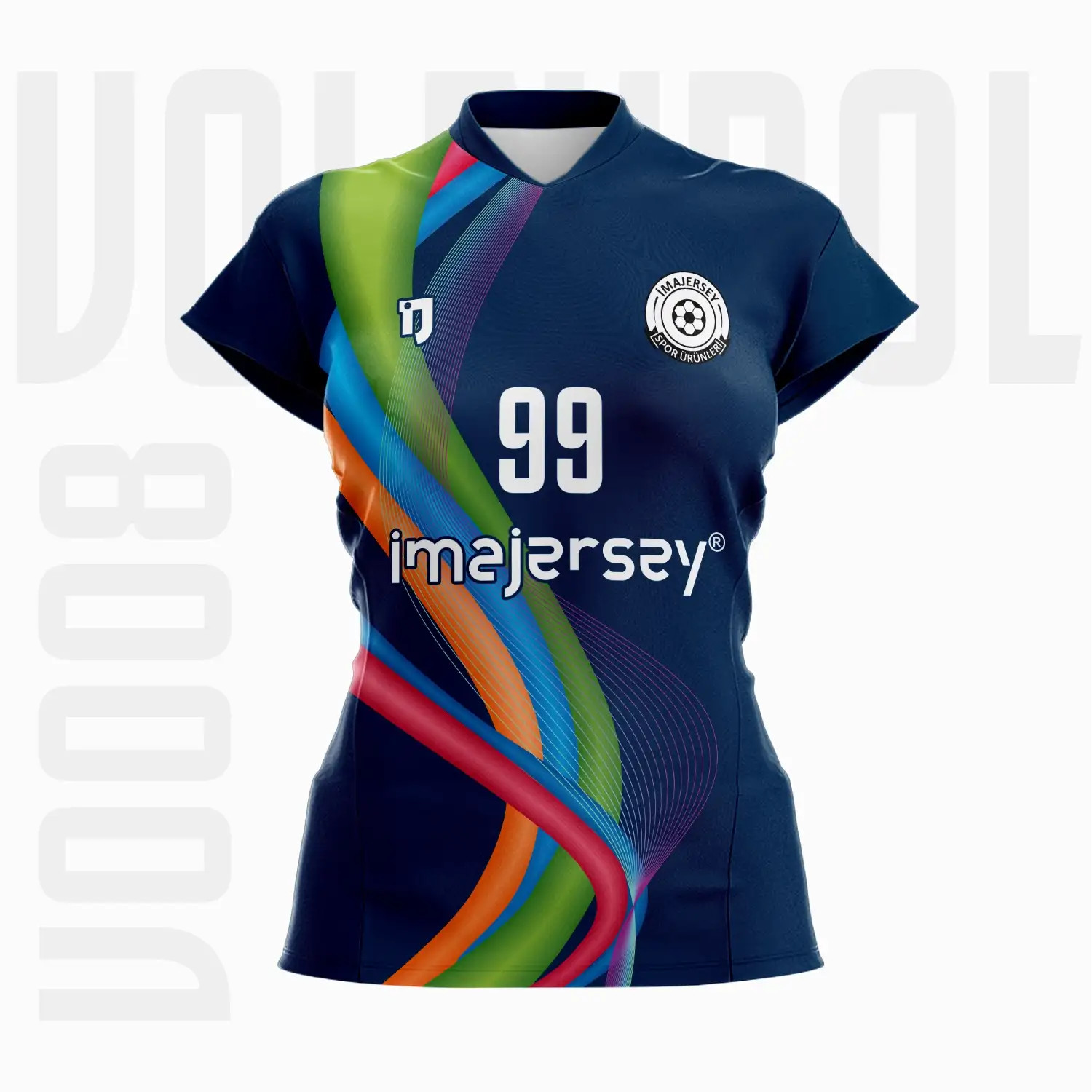
Professional Volleyball Jersey Example

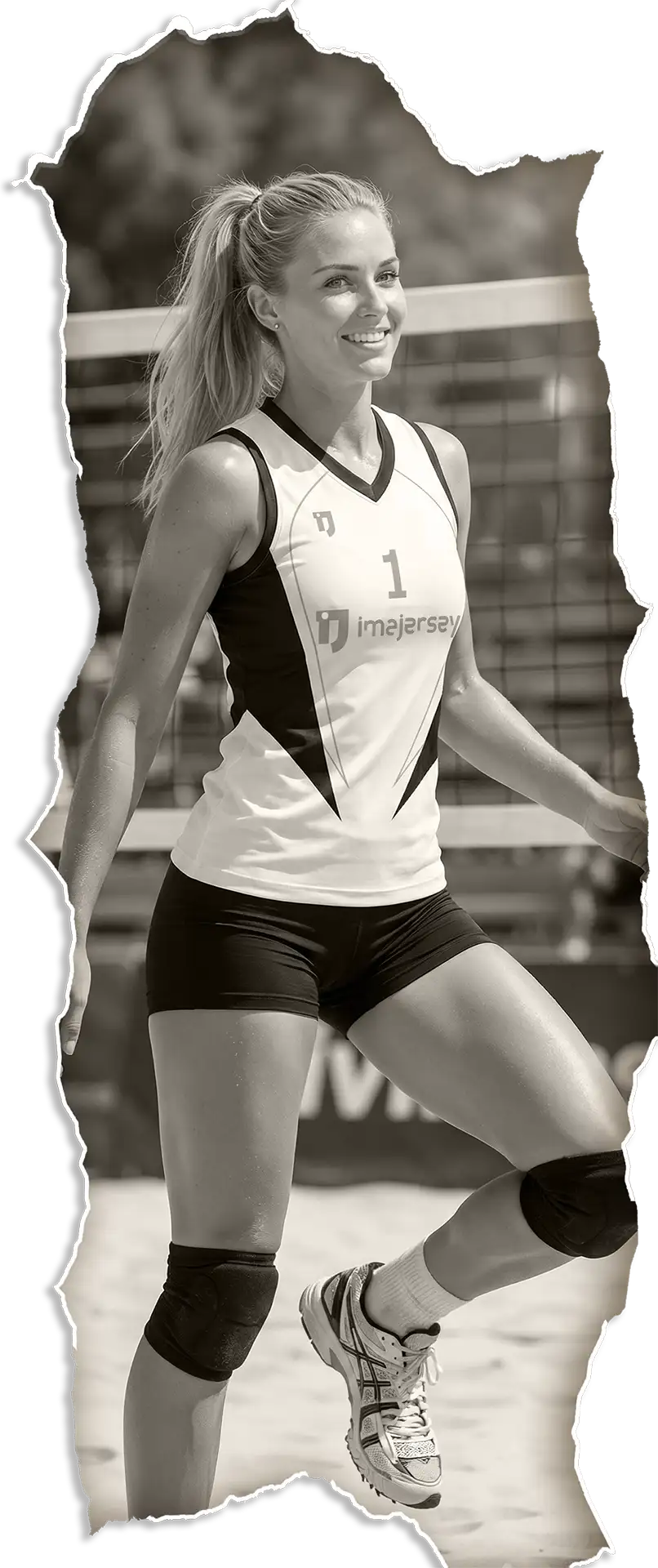
Step-by-Step Professional Volleyball Jersey Production

Custom volleyball jersey production is not only about visual design. In indoor sports, mobility, lightness and moisture control are essential for peak performance.

Fabric type, sublimation printing, ergonomic pattern structure and reinforced stitching directly influence durability and comfort on the court.

In this guide you will discover:

• Best technical fabric options
• Volleyball-specific fit structure
• Digital sublimation advantages
• Professional production stages
• From order to delivery process

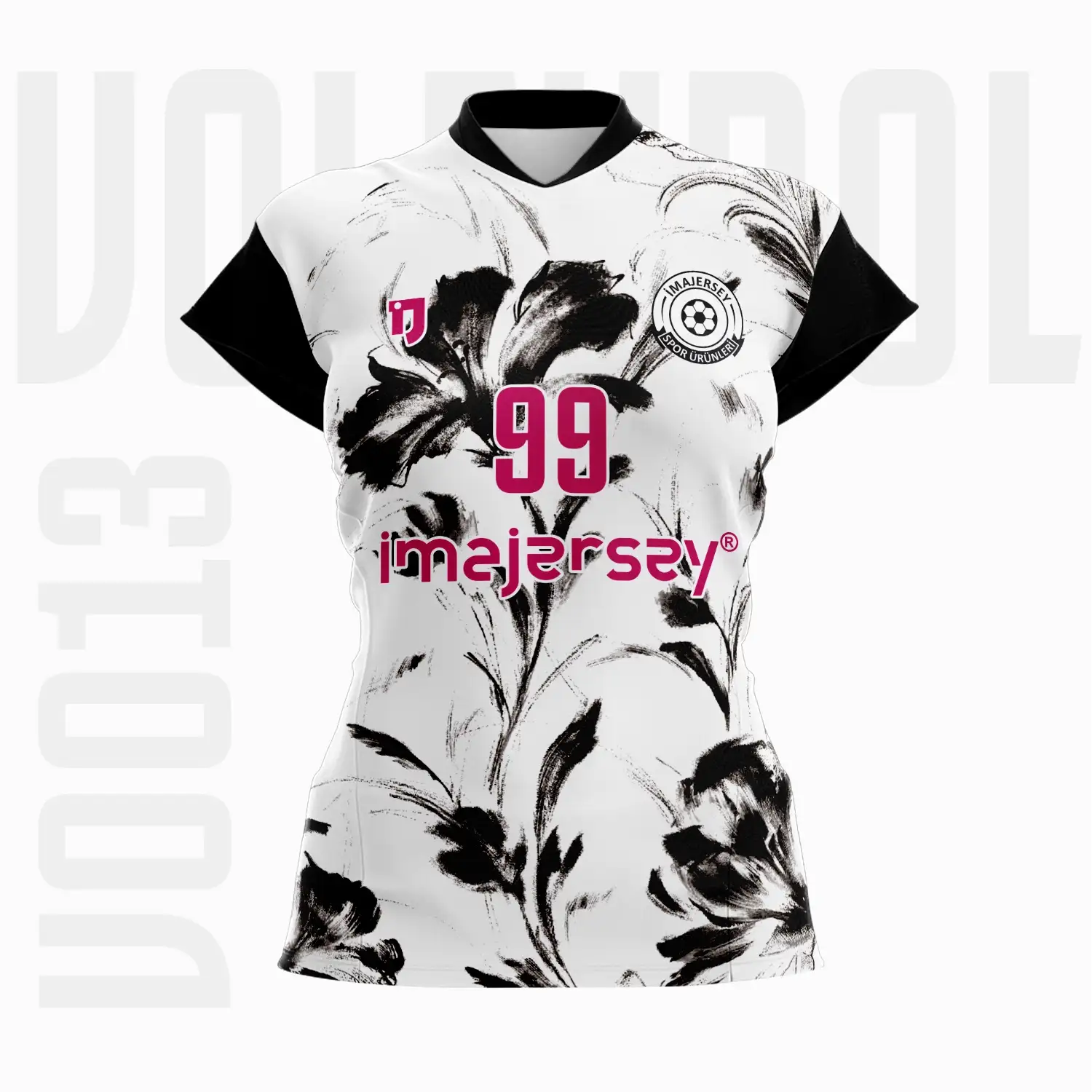
Most Preferred Volleyball Jersey Designs

IN HISTORY

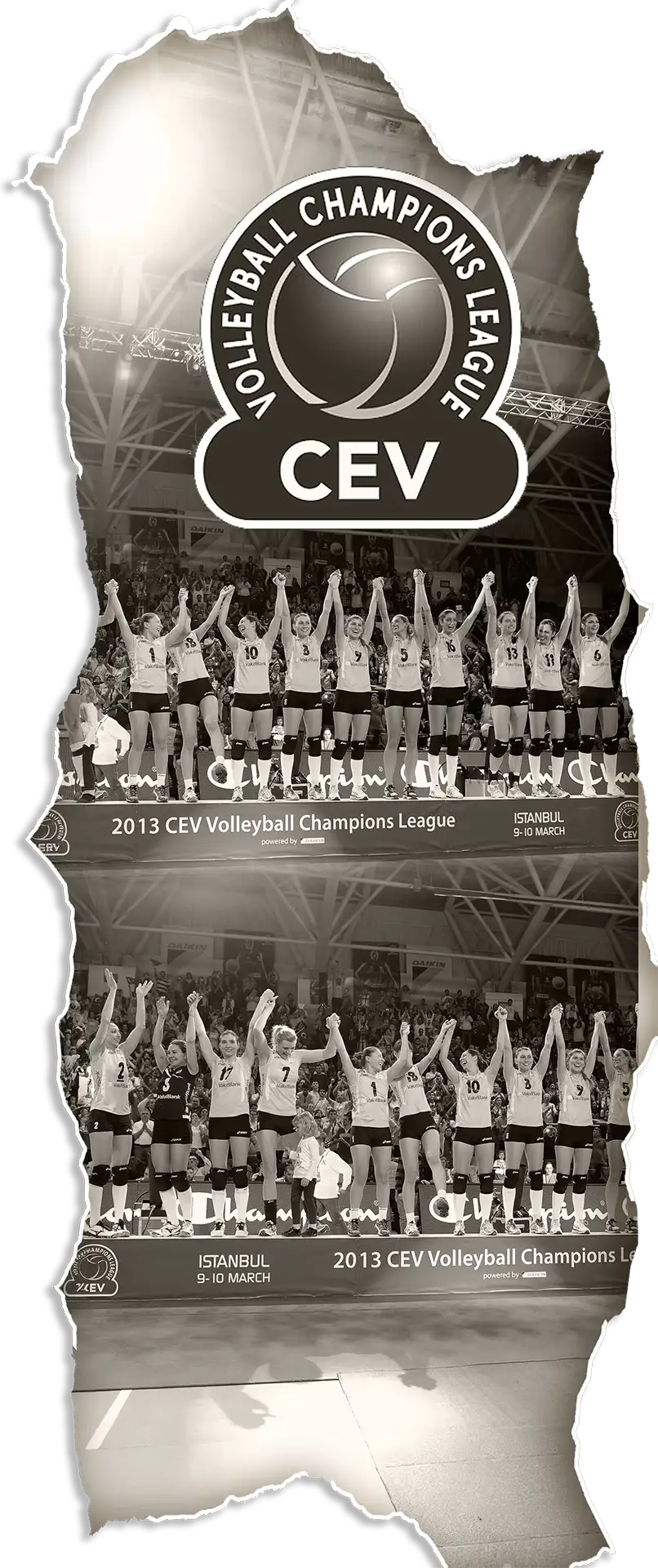
VakıfBank women’s volleyball team celebrating their CEV Champions League victory

2013 — 73 matches. One jersey. One dynasty.

How a Club Became a Global Volleyball Dynasty

Year 2013. European volleyball was witnessing history.

On the court stood more than a team —
there was a system, discipline and identity.

VakıfBank Sports Club didn't just win trophies that season — it changed the standard of play in volleyball.

CEV Champions League final.
Packed arena.
Elite opponents.

And the iconic yellow-orange jerseys stepped onto the court.

That year, VakıfBank achieved an extraordinary 73-match winning streak, one of the longest in professional sports history.

At the helm was
Giovanni Guidetti.

His philosophy was simple:
“Details create champions.”

Training intensity evolved.
Performance analytics improved.
Recovery systems modernized.
Even the jerseys were redesigned.

Lightweight technical fabrics.
Moisture-control structure.
Elastic fit that allowed explosive jumps and rapid lateral movement.

At elite level, milliseconds matter.
Freedom of movement matters.

When the final block sealed the match, it wasn’t just a trophy lifted.

It was the birth of a dynasty.

From that moment, VakıfBank’s jersey became a symbol of dominance in global volleyball.

Because a jersey is not only fabric.
It is culture.
It is identity.
It is sustained excellence.

WHY SHOULD A VOLLEYBALL JERSEY BE CUSTOM DESIGNED?

A volleyball jersey is not merely sportswear; it represents a team’s discipline, energy and identity on the court. Indoor sports require speed, explosive jumps and rapid reflexes. Therefore, jersey design must be planned according to both aesthetic and performance standards.

Color harmony ensures visual consistency during rallies. Clear number visibility is crucial for referees. Proper shade selection strengthens club identity. In professional leagues, compliance with federation regulations is essential.

In volleyball, a jersey is not only about appearance. Jump height, blocking range and defensive movement are directly influenced by fabric structure and pattern design.

Choosing the wrong fabric can trap moisture, add weight and reduce player performance. Heavy, non-breathable materials decrease comfort as the match progresses. For this reason, lightweight, elastic and micro-ventilated technical fabrics should always be preferred.

“The best volleyball jersey is the one that allows players to feel free while reflecting their team’s energy.”


FABRIC TECHNOLOGY AND DIGITAL PRINTING SYSTEMS

Digital sublimation printing is the most preferred method in modern volleyball jerseys. This technique embeds ink directly into the fabric fibers without creating a surface layer.

As a result:

• No cracking
• No peeling
• No fading
• Long-term durability

Digital printing enables complex graphics, gradients and high-resolution details. This provides creative freedom, especially in women’s volleyball jersey designs.

Fabric selection is the key performance factor. Micro-ventilated structures enhance airflow. Elastic weaving systems support explosive jumps and lateral movements during spikes and blocks.

Professional production includes fit selection (slim fit or standard cut) depending on team preference and player profile. Volleyball jerseys generally favor ergonomic, body-fitted structures.

Low minimum order quantities allow both school teams and professional clubs to place orders. The critical factor is executing the production process according to technical planning standards.


DESIGN PROCESS AND TEAM IDENTITY

Designing a volleyball jersey goes beyond selecting colors. Logo placement, number typography, back layout, sleeve cut and sponsor positioning must be considered within a unified concept.

A professional design process begins with a unique concept reflecting the team’s energy and character. Minimalist designs create discipline, while dynamic patterns convey speed and aggression.

Custom volleyball jerseys stand out not only during matches but also become part of a club’s visual memory. They define how the team is remembered in championship photos and historical moments.

With properly structured production, the jersey becomes:

• Durable
• Lightweight
• Performance-driven
• Aesthetic
• Long-lasting

— an essential part of competitive success.

Frequently Asked Questions

What is the best fabric for volleyball jerseys?
Volleyball jerseys are typically produced using jersey (jarse) or lycra-based technical fabrics. These materials are flexible, slightly glossy and body-fitting. They allow maximum mobility during jumps and blocks while providing breathability through micro-ventilated structures.
Which printing method is recommended for volleyball jerseys?
The most recommended method is digital sublimation printing. It embeds ink directly into the fabric fibers, preventing cracking, peeling or fading. It maintains flexibility and durability even during intense gameplay.
Does fit type matter in volleyball jersey production?
Yes, fit type directly affects performance. Volleyball jerseys usually feature ergonomic slim-fit patterns that adapt to body movement. This prevents fabric gathering during jumps and ensures comfort throughout the match.
What is the minimum order quantity and production time for volleyball jerseys?
The minimum order quantity is typically 6 pieces. After design approval, average production time is 7–12 business days, followed by 1–3 business days for shipping.

Send us a message