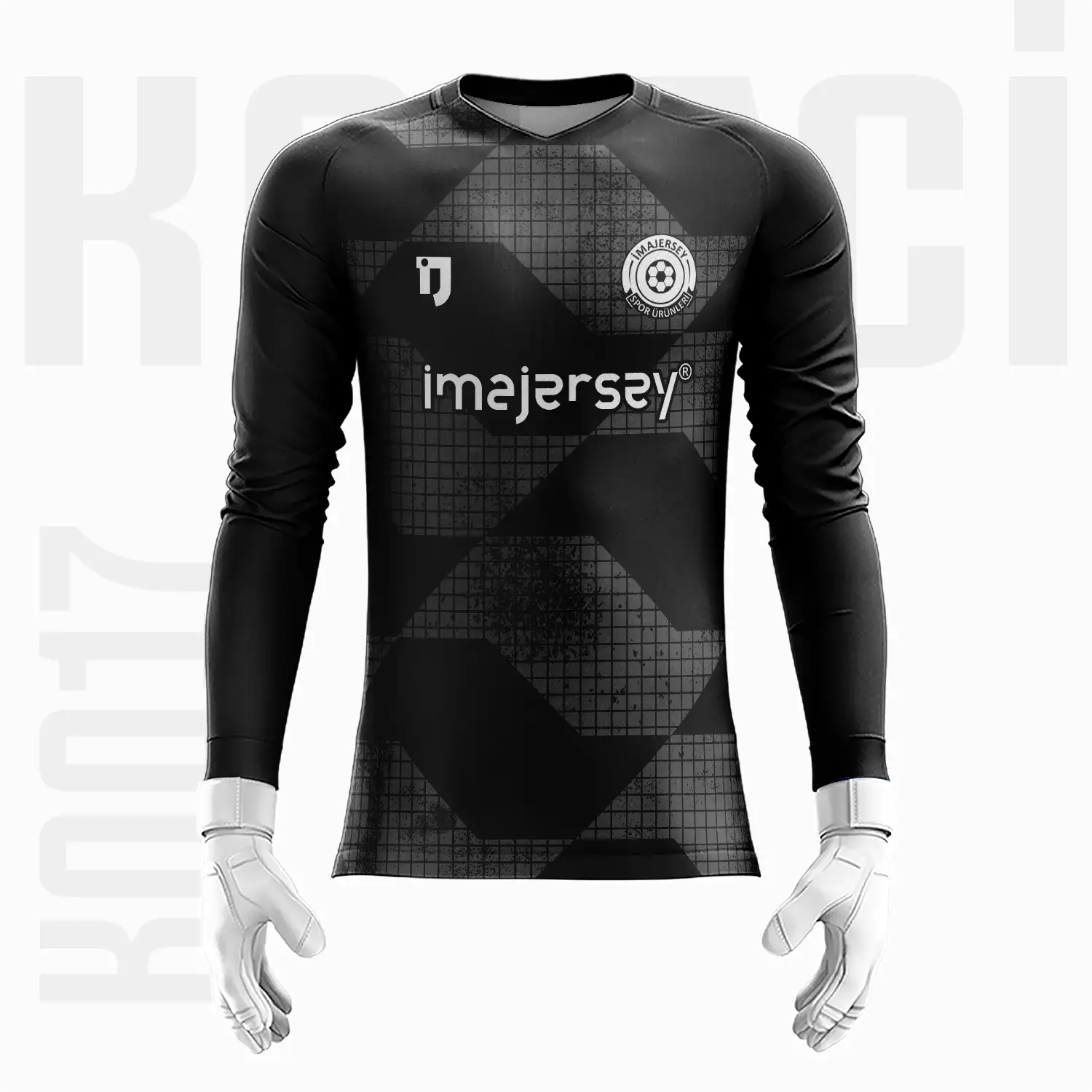
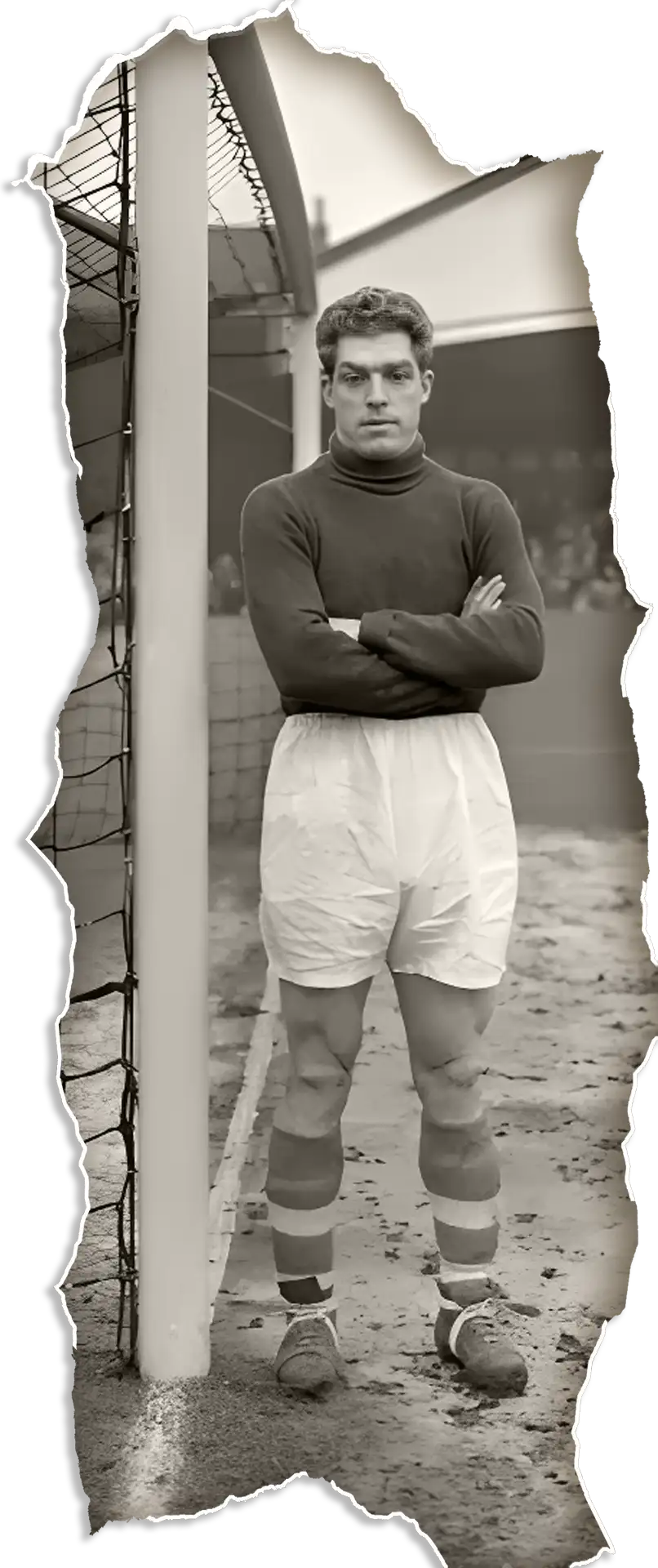
WHY SHOULD A GOALKEEPER JERSEY BE CUSTOM DESIGNED?
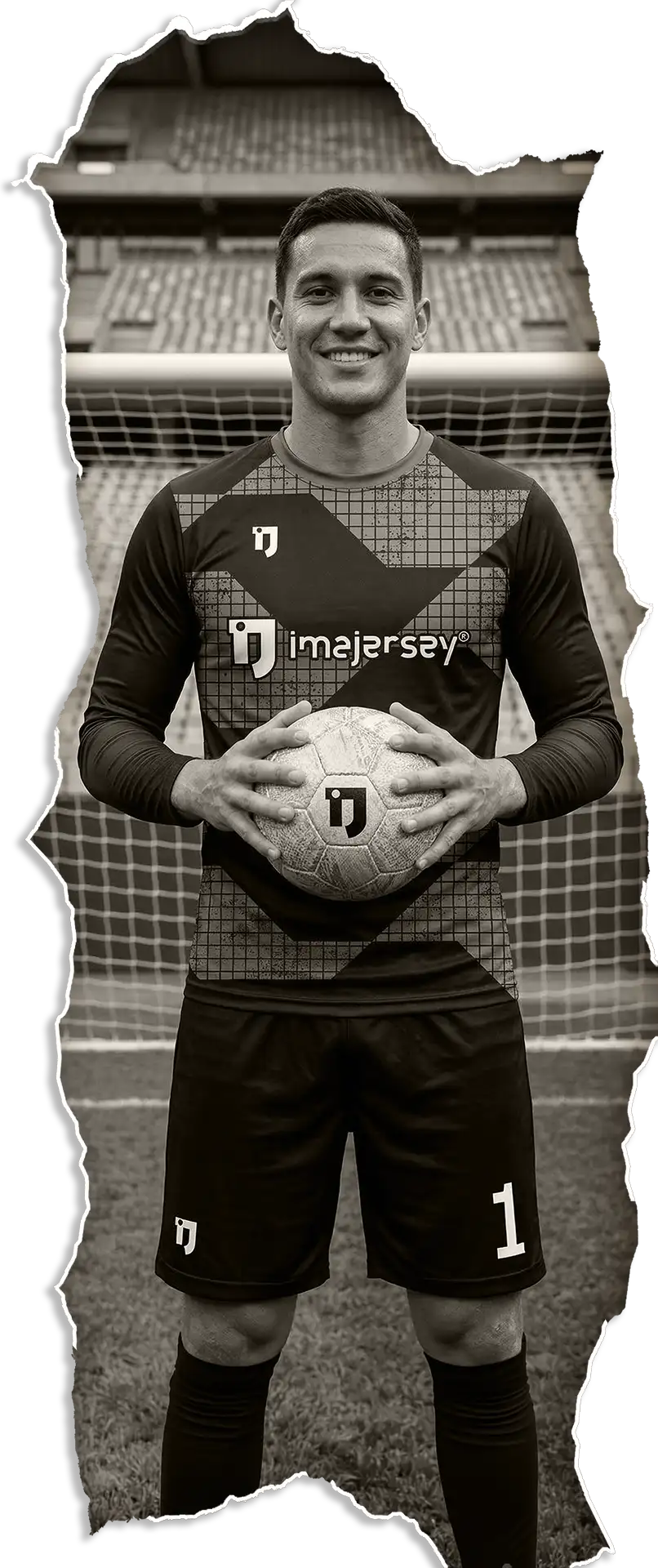
A goalkeeper jersey is one of the most specialized pieces of equipment on a football field. A goalkeeper is not only the last defensive line of the team but also a player who can influence the flow of the game and change the outcome of a match with quick reflexes and decisive actions. For this reason, goalkeeper jersey design must be planned with very different technical considerations compared to a standard football jersey.
Jerseys produced for professional goalkeepers are designed to provide both durability and maximum freedom of movement. During a match, goalkeepers constantly dive, stretch for the ball, slide on the ground and experience physical contact. Therefore, during the goalkeeper jersey manufacturing process, the fabric used must be flexible, breathable and highly durable.
Goalkeeper jerseys are also usually designed in colors that are clearly different from those worn by outfield players. The primary reason for this is visibility. According to football regulations, the goalkeeper must wear a jersey that is clearly distinguishable from both teammates and opponents. Because of this requirement, goalkeeper jersey designs are carefully planned with strong color contrast and visibility in mind.
For professional clubs, a goalkeeper jersey is not just sportswear but also a part of the club's identity. Custom goalkeeper jerseys combine club colors, badge details and modern design elements to create a strong visual identity on the pitch.
“A goalkeeper stands alone on the field; the jersey they wear must provide confidence, comfort and total freedom of movement.”
GOALKEEPER JERSEY FABRIC TECHNOLOGY AND PRINTING SYSTEMS
Fabric technology is one of the most important factors influencing goalkeeper performance. In modern sportswear production, the most commonly used method for professional goalkeeper jerseys is digital sublimation printing technology.
Sublimation printing works by embedding the dye directly into the fabric fibers rather than leaving it on the surface. This ensures that colors remain vibrant and the design will not crack or peel even after long-term use. Digital printing technology also allows complex patterns, modern graphic designs and color gradients to be produced with exceptional clarity. This is also one of the biggest strengths of digital jersey production for goalkeeper kits.
The type of fabric used in goalkeeper jerseys plays a major role in performance. Micro-perforated fabric structures help release body heat and moisture quickly, providing comfort during intense match conditions. Breathable technical fabrics help regulate body temperature and keep players comfortable throughout the game. For a broader comparison on materials, you can also review the jersey fabric guide.
Flexible fabric weaving systems provide additional benefits for goalkeepers during sudden reflex movements. In dives, jumps and side stretches, the jersey must never restrict movement. In professional production, slim fit and regular fit options can be selected depending on the team's preferences and the comfort needs of the players.
GOALKEEPER JERSEY DESIGN AND TEAM IDENTITY
Designing a goalkeeper jersey involves much more than simply choosing colors. A professional goalkeeper jersey design process is closely connected to the club's identity and the character of the team. The placement of logos, number typography, graphic patterns and color balance all contribute to the overall design harmony.
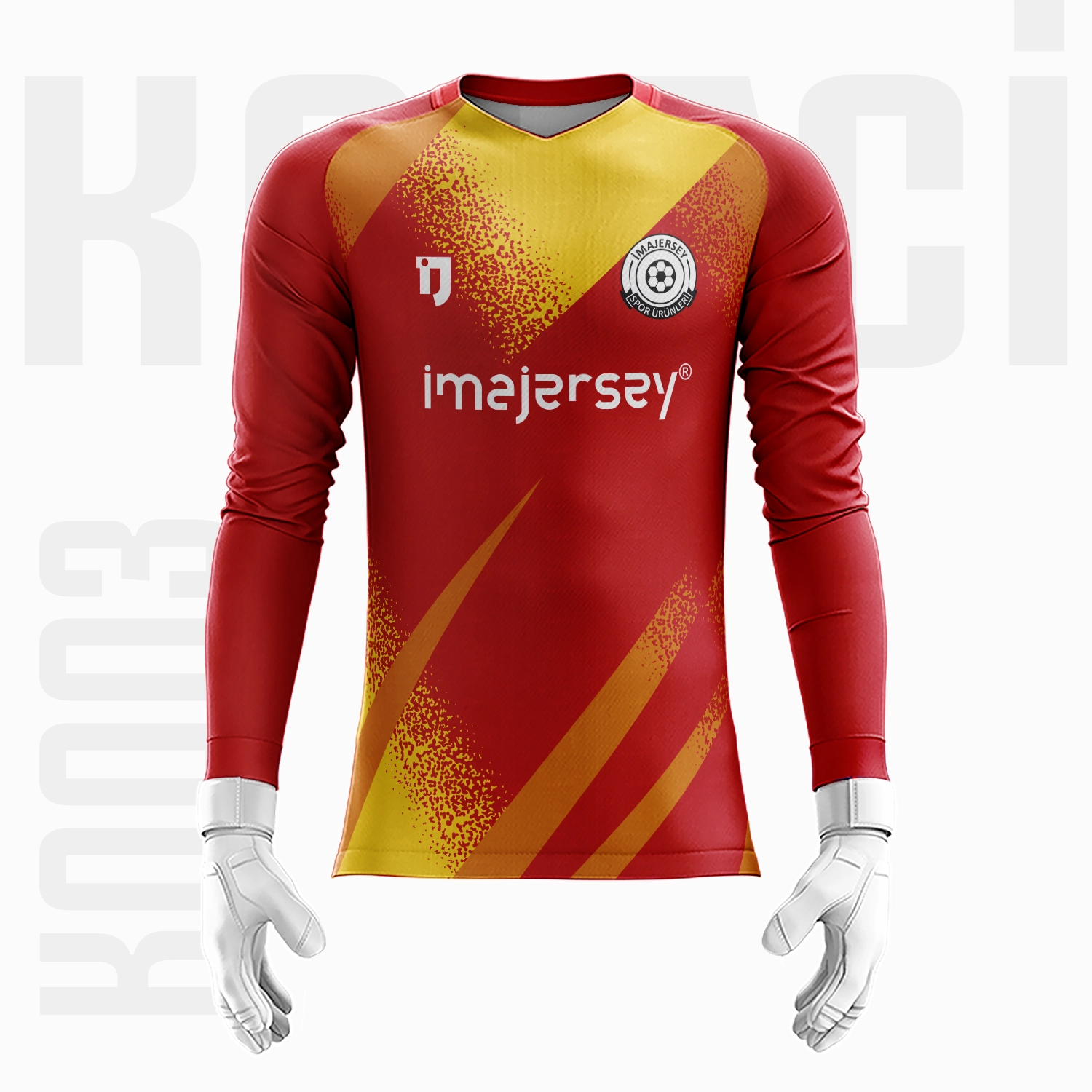
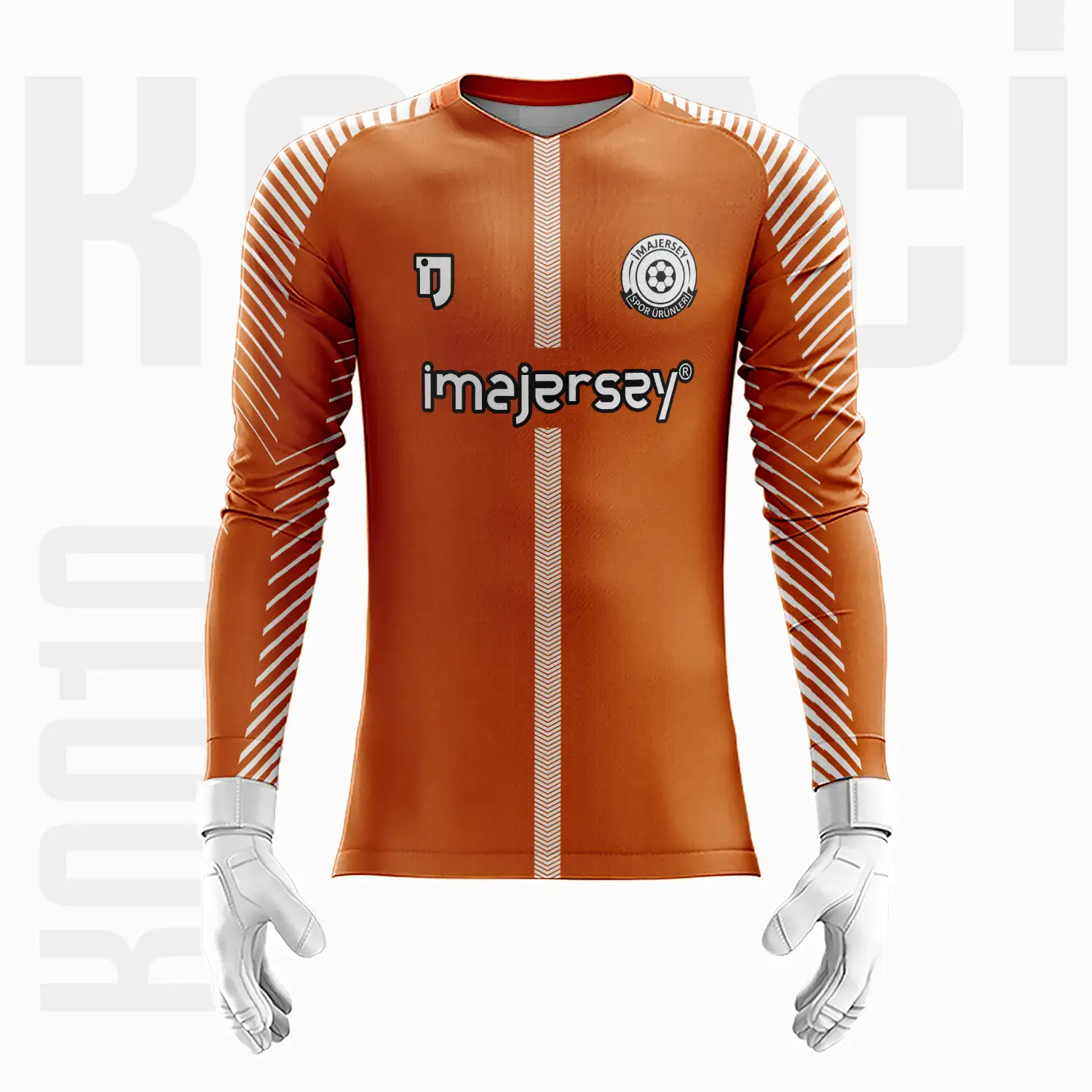
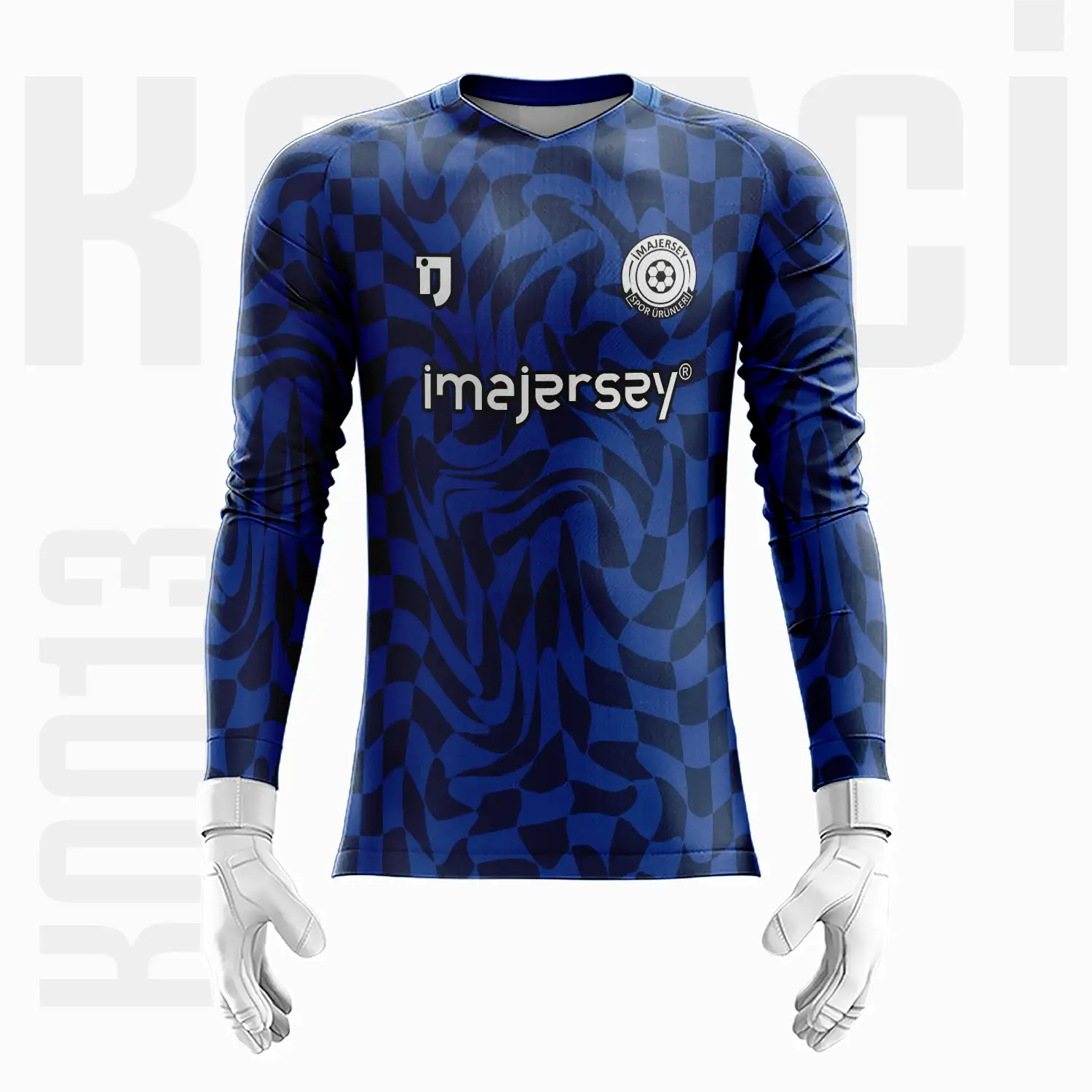
One of the most common approaches in goalkeeper jersey design is the use of bold and striking graphics. Because goalkeepers wear a jersey that differs from outfield players, the design can be more creative and expressive. Flame patterns, geometric graphics, contrast color blocks and modern digital textures are frequently used elements in goalkeeper jersey designs.
For professional teams, goalkeeper jerseys must also align with the club's visual branding. Club colors, badge placement and sponsor positioning are key elements of the overall design concept. A well-planned goalkeeper jersey design not only stands out on the field but also strengthens the team's visual identity.
Custom goalkeeper jerseys can also become a lasting part of a club's culture. For players and supporters, a jersey is not just sports equipment but also a symbol representing the club's history, spirit and identity.
PROFESSIONAL GOALKEEPER JERSEY MANUFACTURING PROCESS
A professional goalkeeper jersey manufacturing process combines careful planning with technical production stages. The first step is usually the design phase. During this stage, team colors, club logos, jersey numbers and custom graphic elements are determined.
After the design stage is completed, production begins. Selected fabrics, jersey cuts and printing technologies are used to create the final product. Thanks to digital sublimation printing technology, each jersey can be fully customized with player names, numbers and team logos directly integrated into the fabric. To review a closely related editorial page, you can also visit the football jersey customization guide.
Minimum production quantities make it possible for amateur teams, school teams and sports academies to order custom goalkeeper jerseys. In professional manufacturing, quality control is extremely important. Fabric durability, printing quality and cutting precision are among the most critical production standards. For another goalkeeper-focused branch example, the handball goalkeeper jersey guide is also highly relevant.
As a result, a well-planned production process creates goalkeeper jerseys that are durable, visually strong and performance-driven sports equipment.
 TR
TR EN
EN