IMAJERSEY JERSEY GAZETTE

Issue: 01 • Special Edition • Updated Guide

Everything You Need to Know About Custom Football Jerseys

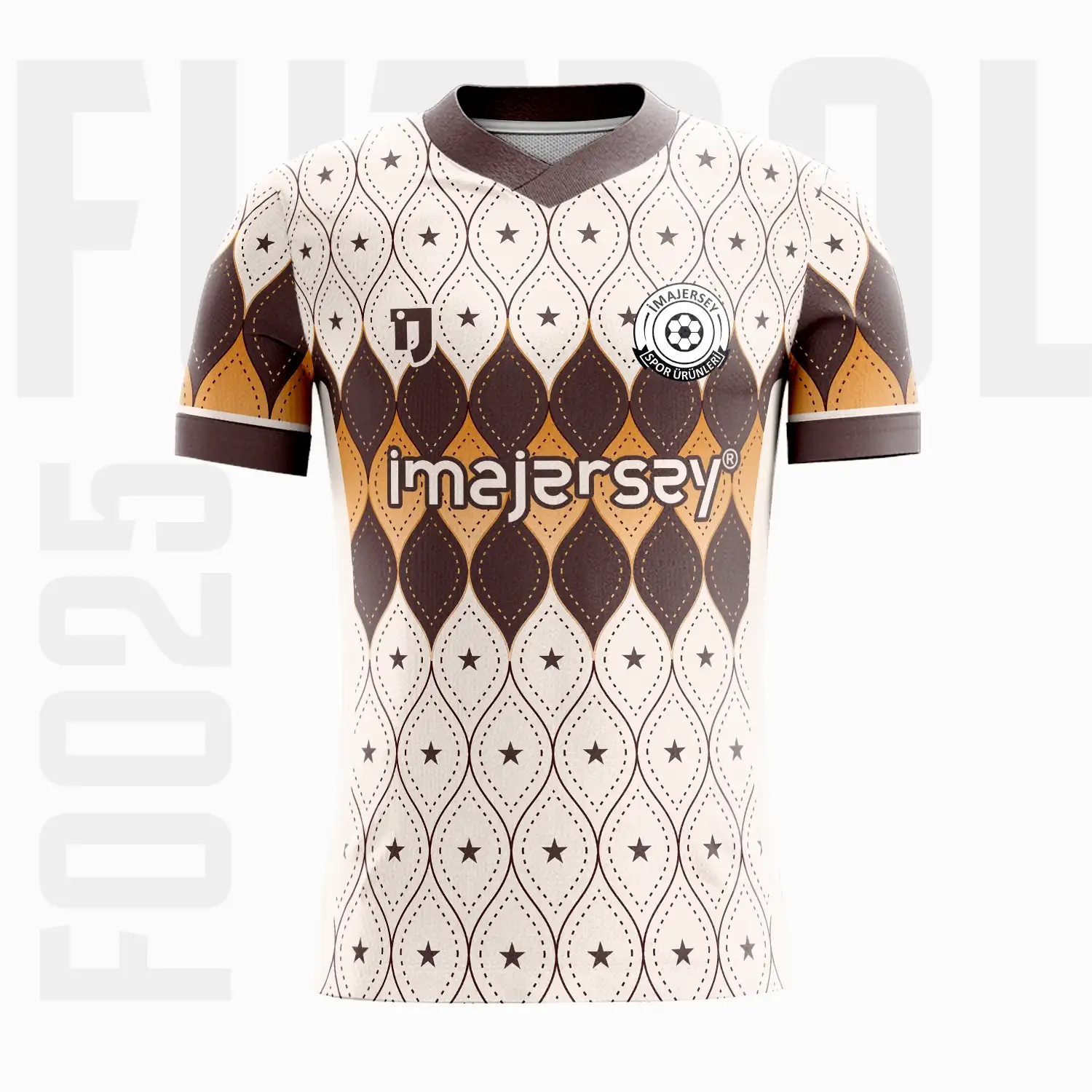
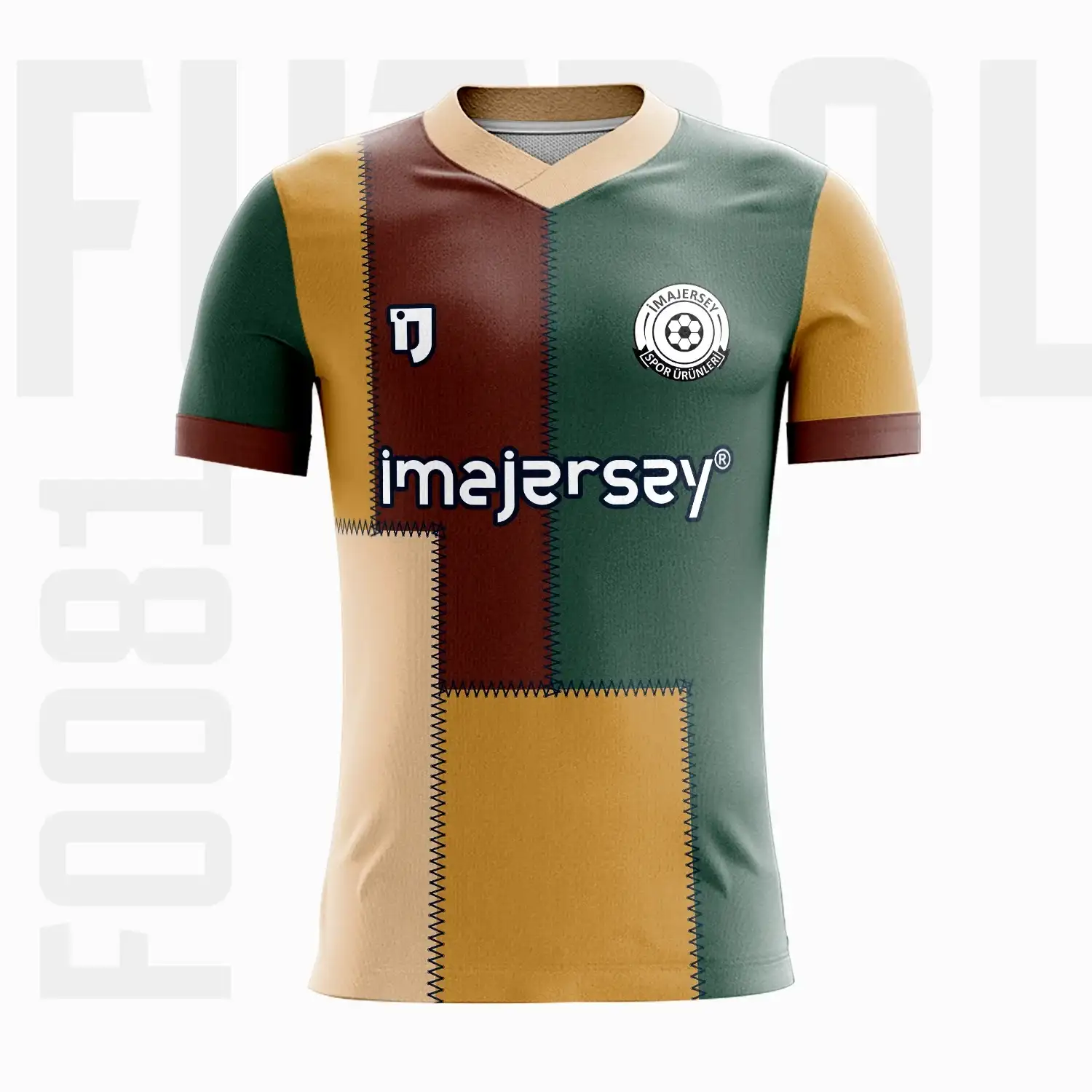
Custom-designed soccer jersey example

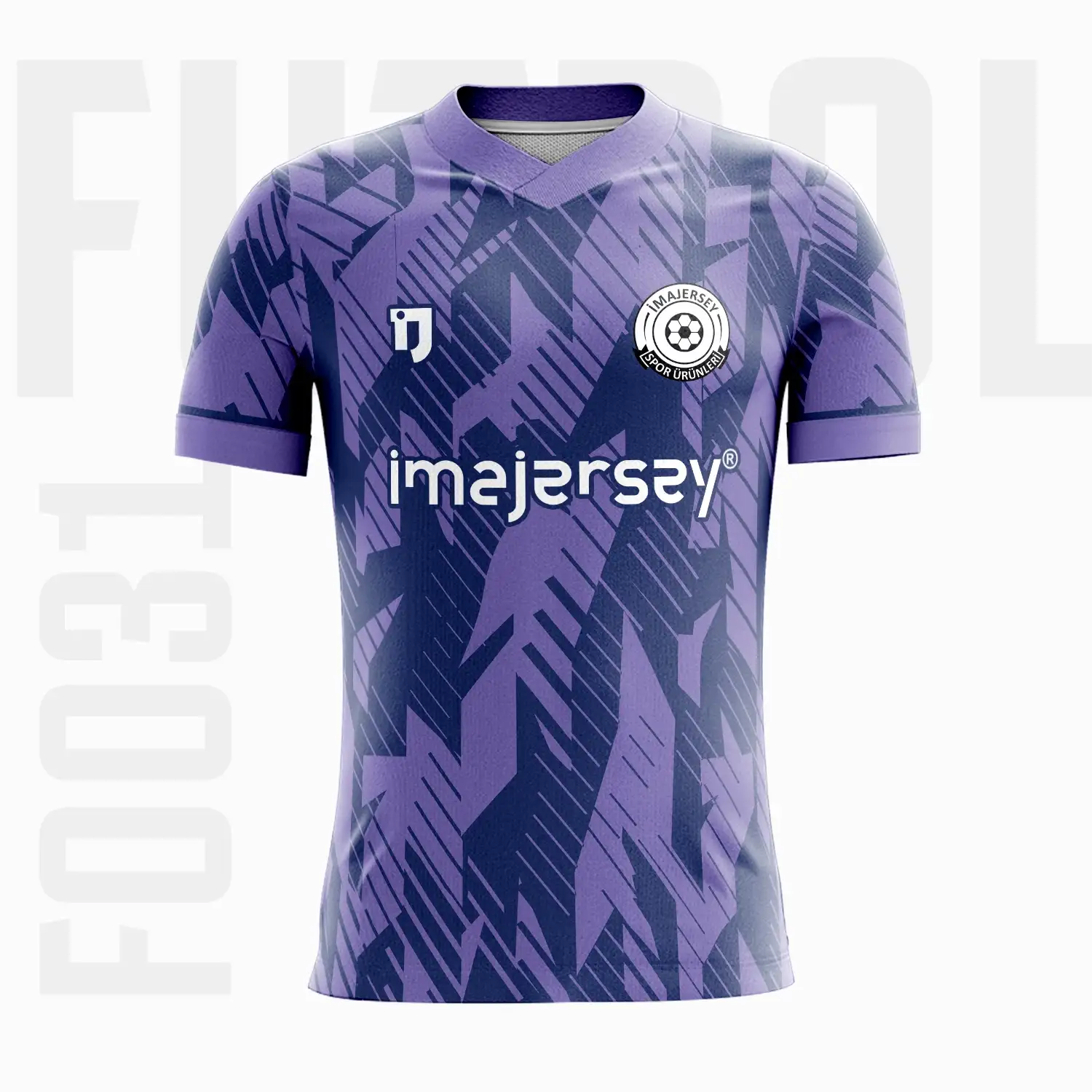
Custom-designed soccer jersey example

Step-by-Step Professional Football Jersey Production

Custom football jersey production goes beyond choosing a design. Fabric selection, printing method, fit type and production planning directly affect durability and performance.

In this guide you will discover:
• Sublimation digital printing systems
• Micro-mesh and performance fabric differences
• Slim fit vs standard cuts
• Logo, name and number applications
• Professional production workflow

Imajersey combines durability, color vibrancy and breathable fabric technology for modern football teams.

Most Preferred Football Jersey Designs

IN HISTORY

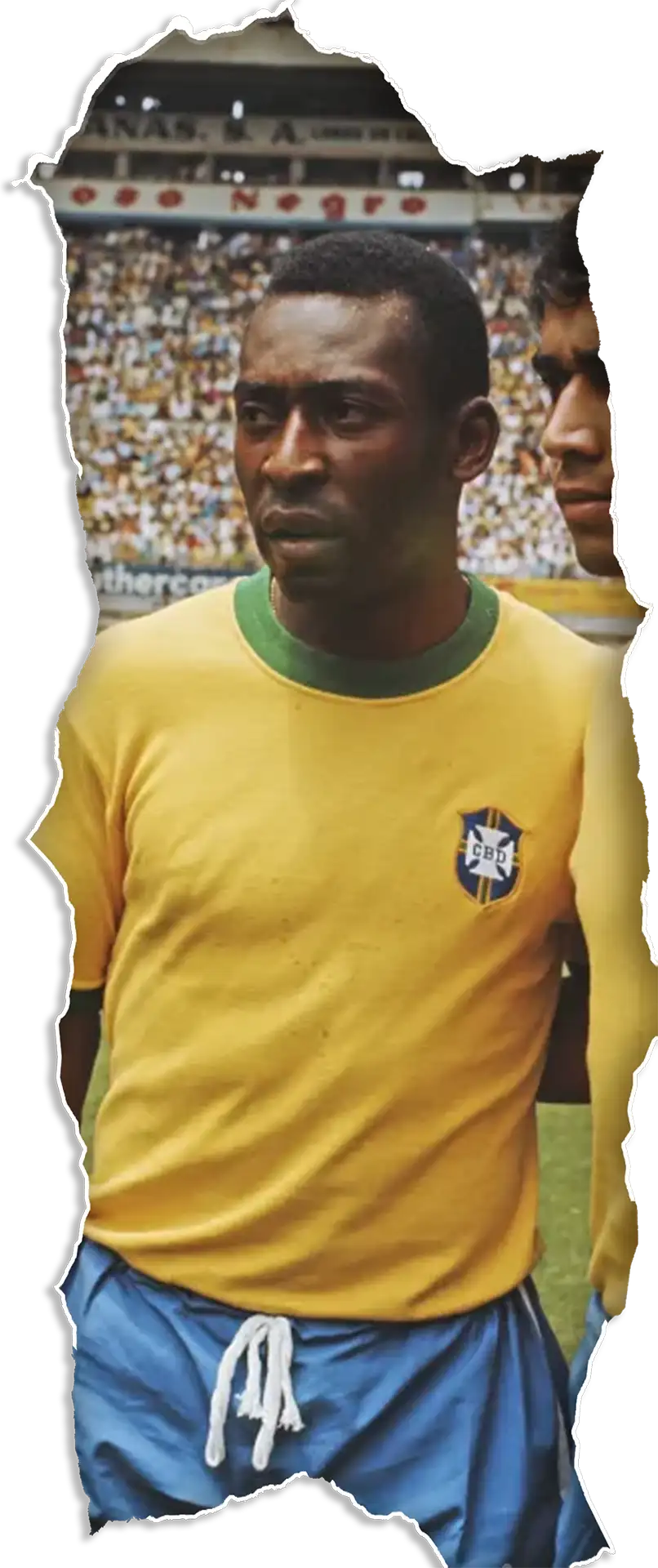
Pelé wearing the iconic Brazil yellow jersey during the 1970 World Cup

1970 – A yellow jersey, a global identity.

How a Jersey Changed the World

Year 1970 World Cup.
The heat of Mexico.
Brazil stepped onto the pitch wearing their yellow jersey.

That tournament was not just about winning a trophy. It redefined football aesthetics.

Pelé, Jairzinho, Tostão, Carlos Alberto… That squad didn’t simply win matches. They reshaped the visual memory of the sport. The yellow jersey became a symbol of the transition from black-and-white broadcasts to the colorful era of global television.

The jersey was no longer just a national color.
It became courage.
Confidence.
Rhythm and creativity.

After 1970, football kits were discussed differently. Collar styles, sleeve trims, color contrasts, visual identity — all became part of a team’s personality.

When Carlos Alberto scored that legendary goal in the final, the camera captured more than the strike. It captured movement, flow, and the visual harmony of the kit itself.

Today, when designing custom football jerseys, color psychology and design language still draw inspiration from that legacy. Yellow suggests attacking football. Red conveys power. Blue symbolizes balance.

Since 1970, a football jersey has never been just fabric.
It is a statement.
A character.
A philosophy of the game.

Because some jerseys don’t just win matches — they define eras.

WHY SHOULD A FOOTBALL JERSEY BE CUSTOM DESIGNED?

A football jersey is not merely sportswear; it represents a team’s identity, character, and presence on the field. From professional leagues to amateur clubs, jersey production must be planned according to both aesthetic and technical standards. Color harmony, proper contrast to avoid confusion with opponents, and compliance with federation regulations are fundamental pillars of the production process.

When customizing a football jersey, focusing solely on visual appearance is not enough. Pattern structure, fabric type, and printing technique directly influence on-field performance. Choosing the wrong fabric may retain moisture, become heavier during play, and restrict the player’s mobility. For this reason, breathable, lightweight, and durable technical fabrics should always be prioritized.

“The best football jersey is the one that allows players to feel free on the pitch while reflecting the true spirit of their team.”


FABRIC TECHNOLOGY AND PRINTING SYSTEMS

In modern football jerseys, sublimation printing is one of the most widely preferred methods. This technique allows the ink to permanently bond with the fabric, preventing cracking or peeling even after repeated washing and long-term use. Thanks to advanced digital printing technology, smooth color transitions, detailed patterns, and fully customized graphics can be produced with exceptional clarity.

Fabric selection is the foundation of performance. Micro-perforated structures that help release moisture enhance comfort during intense matches. Flexible weaving systems support sprinting, rapid directional changes, and overall freedom of movement. In professional production, the cut and fit — whether slim or standard — are determined according to team preference and playing style.

With flexible minimum order quantities, both small teams and corporate organizations can place customized jersey orders. What truly matters is managing the production process in a structured and technically accurate manner.


DESIGN PROCESS AND TEAM IDENTITY

Designing a football jersey goes far beyond choosing colors. Logo placement, number typography, sponsor positioning, and crest details must be carefully considered within a unified design concept. A professional design process begins with creating a unique concept that reflects the team’s vision and identity.

Custom-designed football jerseys not only stand out on the field but also become part of a club’s long-term legacy. With a properly planned production process, a jersey becomes a durable, aesthetically refined, and long-lasting piece of equipment that strengthens team identity season after season.

Frequently Asked Questions

How does the football jersey customization process work?
The football jersey customization process starts with design planning. Colors, logo placement and number format are determined first. Then the appropriate fabric type is selected and digital sublimation printing is applied. After quality control, the jerseys are prepared for delivery. In professional production, design and printing processes are fully integrated.
Which printing method is best for football jerseys?
Sublimation printing is the most preferred method for modern football jerseys. The ink integrates into the fabric fibers, preventing cracking, peeling or fading. It offers long-lasting durability, making it ideal for professional teams.
What fabric should be chosen for football jerseys?
Lightweight and breathable performance polyester fabrics are recommended. Micro-mesh textures improve airflow and enhance player comfort. Durability and flexibility should also be considered when selecting the fabric.
What is the minimum order quantity for custom football jerseys?
Custom football jersey production usually requires a minimum order quantity. In professional systems, this can start from as low as 6 pieces. Minimum quantities ensure efficient production planning and consistency.