TR
TR
 EN
EN
How is a team jersey made?
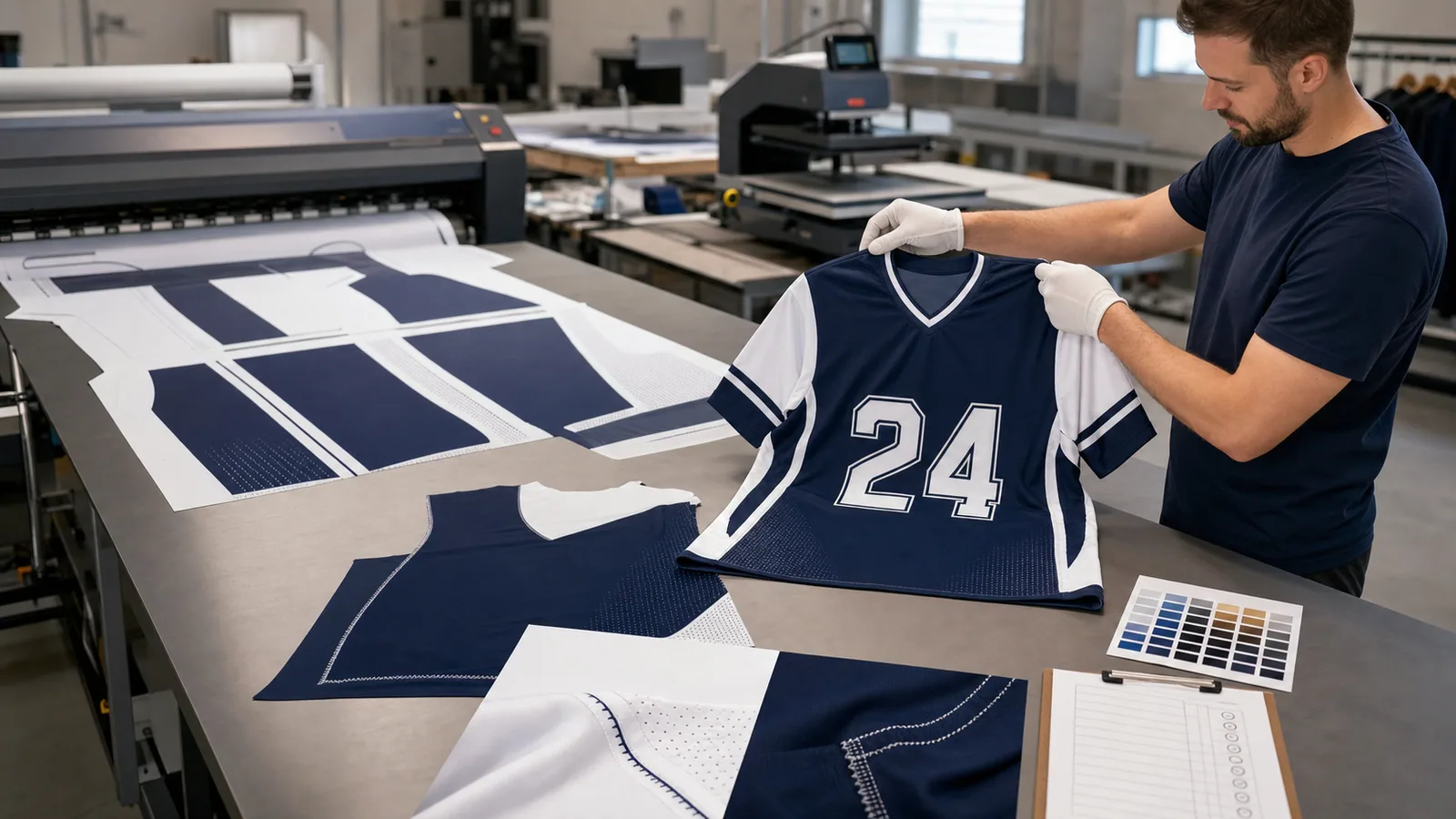
A professional team jersey production process involves far more than printing an image on fabric. It begins by converting the team requirement into a written brief and continues through artwork approval, roster and sizing checks, fabric selection, print-file preparation, colour management, sublimation, cutting, sewing, personalisation, quality inspection and packing. If one link in that chain is left uncontrolled, an attractive design can still become unusable because of a wrong name, an unreadable number, an unsuitable fit or a missing garment.
Explore Our Models
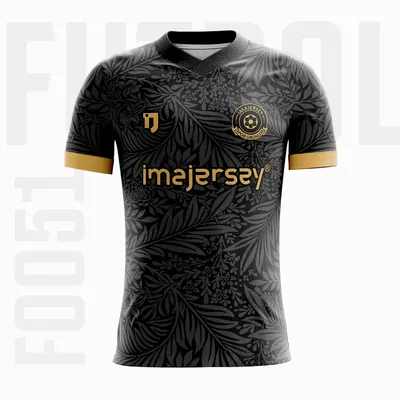
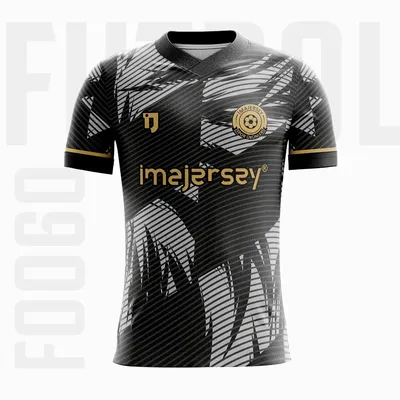
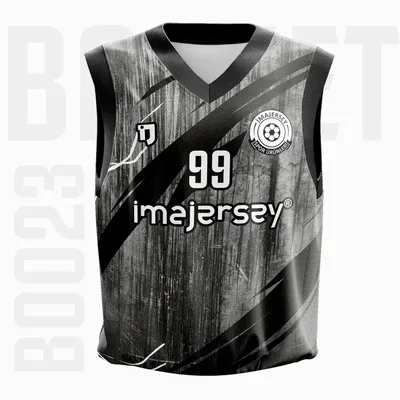
This guide presents the main control points used in the imajersey production approach. Its purpose is not only to explain how a jersey is made, but also to show club managers, coaches and purchasing teams what must be approved at each stage and which information is needed. To compare design, fabric and set options, visit our custom jersey service.
Team jersey production workflow at a glance
| Stage | Main output | Approval point |
|---|---|---|
| 1. Requirement analysis | Order brief | Sport, quantity, date and set contents |
| 2. Design | Digital jersey visual | Colours, crest, sponsors and placement |
| 3. Technical preparation | Print-ready pattern file | Fit, sizes and personalisation roster |
| 4. Printing and assembly | Printed, cut and sewn garments | Colour, print, stitching and dimensions |
| 5. Final inspection | Checked order | Quantity, names, numbers, sizes and packing |
| 6. Delivery | Shipment-ready package | Address, shipping method and distribution list |
1. Requirement analysis: production starts with the right questions
The first stage defines where and how the garment will be used. Football, basketball, volleyball and handball should not automatically receive the same cut or fabric. Outdoor heat, freedom of movement in indoor sports, seam strength in contact sports and visual separation for goalkeeper garments all influence the specification.
The brief should identify the sport, competition level, age group, required fit, quantity, shirt-only or full-set preference, frequency of use and required delivery date. International orders should include the destination country and preferred delivery method from the beginning. Custom production starts from six pieces, although goalkeepers, substitutes, staff garments and expected squad changes can increase the practical quantity.
2. Collecting brand assets and references
The club crest, sponsor marks, colour references and previous kit photographs should be collected in one controlled folder. Vector PDF, AI, EPS or SVG files are preferred for crests and sponsors. A small screenshot can lose edge quality when enlarged, and that weakness will remain visible if it is not corrected before print preparation.
Team colours should not be described only as navy, red or green. Screens, phone cameras and fabric surfaces reproduce colour differently. Supplying established brand colour codes gives the designer and team representative a shared reference. When colour matching is especially important, a physical sample or an earlier garment can also be evaluated.
3. Turning the brief into a production-ready design
The designer builds front and back visuals using the sport, club colours, logos and requested design character. A production-ready design is different from an image that merely looks attractive on a screen. The number zone must remain readable, sponsors should not fall across unsuitable seam lines, and graphic continuity between sleeves and side panels must be planned realistically.
Names and numbers require a legible typeface, sufficient size and strong contrast. Very thin details that look elegant on a desktop screen may disappear at match-viewing distance. Teams that want to understand these decisions in more detail can consult the sports jersey design guide.
4. Artwork approval is a quality gate
One authorised representative should approve the final visual in writing before production. Separate change requests from several people create uncertainty over which file is current. The approved view should clearly show the main colours, collar, crest and sponsor positions, shorts design and any sock selection.
Issues should not be postponed with the assumption that they can be corrected later. Once digital printing and personalisation have entered production, changing a name, number or sponsor position may require remaking the garment. Written approval is therefore a quality-control gate, not unnecessary administration.
5. Freezing the roster and size information
Names, numbers and sizes should be maintained in one master table. Each row can include the player identity, exact print name, number, jersey size, shorts size and a special note. Capitalisation, spaces and non-English characters must be reviewed, and duplicate squad numbers should be flagged.
Casual clothing size should not automatically be treated as jersey size. Chest measurement, height and preferred wearing ease need to be compared with the supplied size chart. Youth, junior and adult groups are safer when counted separately. Once the roster is approved, later changes may affect both the production plan and delivery schedule.
6. Selecting fabric for the use case
Jersey fabric is assessed for breathability, stretch, weight, surface texture, moisture management and wash durability. Different polyester knits provide different handling and performance. The shiniest or heaviest option is not automatically the best; the right fabric is the one that matches the sport, environment and frequency of use.
For example, football jerseys prioritise movement and outdoor conditions, basketball jerseys require lightness and open arm movement, volleyball jerseys benefit from flexibility and breathability, and handball jerseys need greater contact durability. The sports jersey fabric guide compares the main technical criteria.
7. Placing the artwork on technical patterns
The approved design is applied to the selected size and pattern pieces. Front, back, sleeves, collar, side panels and shorts are separate print areas. Graphic joins, seam allowances and safe logo zones are calculated at this point. The roster is also converted into production data so that the correct name and number are connected to each size file.
Pre-print checks look for low-resolution images, missing fonts, artwork outside the safe area, colour-mode issues and incorrect player pairings. A mistake in a technical file can affect an entire run, so this is both a visual inspection and a data-accuracy inspection.
8. How digital sublimation printing works
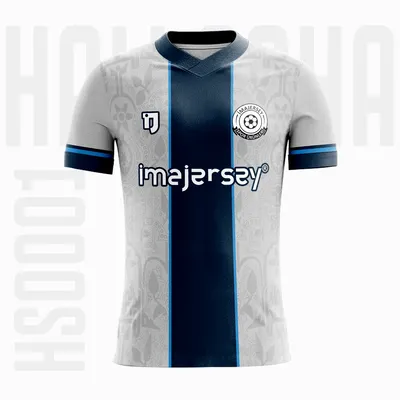
In sublimation, the design is first printed onto transfer paper and then moved into polyester-based fabric using controlled heat and pressure. The colour becomes part of the fibres instead of forming a thick film on top. When correctly produced, it does not crack, peel or flake. Names, numbers, club crests, sponsors and the base pattern can all be integrated in the same workflow.
Print quality depends on the combination of ink, paper, temperature, time, pressure and fabric structure. Excessive heat can shift colour, insufficient heat can create a weak image, and uneven pressure can leave tonal variation. Inspection covers colour balance, edge clarity and surface consistency.
9. Cutting and component tracking
Printed panels are cut according to the size and pattern lines. Parts belonging to the same player must remain traceable so that the correct front, back, sleeves and shorts stay together. This discipline is especially important in personalised orders, where the named back panel has to match the correct size and set.
Cutting inspection checks artwork position, seam allowance and symmetry. If a graphic is intended to continue across two panels, an individual panel looking correct is not enough; the appearance after sewing must also be considered.
10. Sewing and assembly quality
The panels are assembled and the collar, sleeves, sides and hems are completed. Stitch density, thread tension and the method used in stretch zones affect durability during movement. Excessive tension can distort fabric, while loose stitching can open during intensive use.
Sewing inspection looks for skipped stitches, open seams, excess thread, twisted collars, unequal sleeves and irregular hems. Quality must be considered not only while the garment lies flat, but also while it is worn and moving. Pattern engineering and sewing technique therefore need to work together.
11. What is checked during final quality control?
Completed garments are compared with the master order sheet line by line. Final inspection is more than counting the total pieces. Each garment is checked for size, name and number, crest direction, sponsor placement, colour consistency, print surface, stitching and set matching.
- Does the physical quantity match the approved order?
- Is every name spelled correctly and paired with the right number?
- Do jersey and shorts sizes match the player row?
- Are crests and sponsors in the approved position and direction?
- Are there stains, pale areas, ghosting or unexpected colour differences?
- Are collar, sleeve, side and hem seams secure and balanced?
- Do important graphic joins look acceptable after assembly?
- Are goalkeeper, spare and staff products separated?
12. Packing and team distribution
Player-by-player packing can save the team manager significant sorting time. Jersey and shorts may be placed in the same package with the name, number and sizes visible on an external label. Goalkeeper sets, spares and staff garments should be grouped separately.
A final count is completed against the master sheet before shipment. International packages require complete recipient details, telephone number, postal code and the information needed for the selected customs and shipping process. Teams should open and inspect the order on arrival rather than waiting until match day.
What determines the production lead time?
No single lead time is accurate for every order. The number of design revisions, speed of roster completion, quantity, size distribution, product variety, fabric and collar choices, factory workload, special requirements and destination country can all affect the schedule. The safest plan works backwards from the first match and gives separate time to design, approval, production, inspection and transport.
The most useful action a team can take is to provide complete logos, colours and roster information at the start. Fragmented information can restart design and technical preparation. A firm delivery plan should be confirmed in writing after the full specification is known.
Approval checklist before production begins
- Sport, garment type, set contents and total quantity.
- Front and back artwork, colours, collar and shorts design.
- Correct versions of the club crest and every sponsor logo.
- Names, numbers, jersey sizes and shorts sizes.
- Fabric, fit and any special production requirements.
- Quotation scope, tax, shipping and additional products.
- Delivery address, authorised contact and required date.
Frequently asked questions
What is the minimum quantity for custom jersey production?
The minimum custom-production order at imajersey is six pieces. Set contents, fabric, collar, fit and personalisation are selected for the order.
Can sublimated names and numbers peel off?
When names and numbers are sublimated into the fibres with the main artwork, they do not form a thick applied film. With correct production and suitable care, they do not crack or peel.
Can a name or number be changed after artwork approval?
If technical preparation or production has begun, a change may require the affected piece to be prepared again. The roster should therefore receive a final check at the same time as artwork approval.
What should a team check immediately after delivery?
Packages should be counted against the master roster, and every name, number, size and set pairing should be reviewed before use. Any difference should be reported promptly.
How should digitally printed jerseys be washed?
Follow the garment label, turn jerseys inside out, use a low-temperature cycle without bleach and avoid excessive heat. See the jersey washing and care guide for detailed guidance.
Conclusion: quality jerseys come from a controlled process
Reliable custom jersey manufacturing combines creative design with disciplined data and quality management. A clear brief, one authorised approval, measurement-based sizing, controlled print files, suitable fabric, component tracking and line-by-line final inspection help the complete order reach the pitch as intended.
To build a production plan for your sport, quantity, size range and required date, contact imajersey for a quotation. Complete information at the first discussion allows both the artwork and production schedule to be prepared more accurately.