TR
TR
 EN
EN
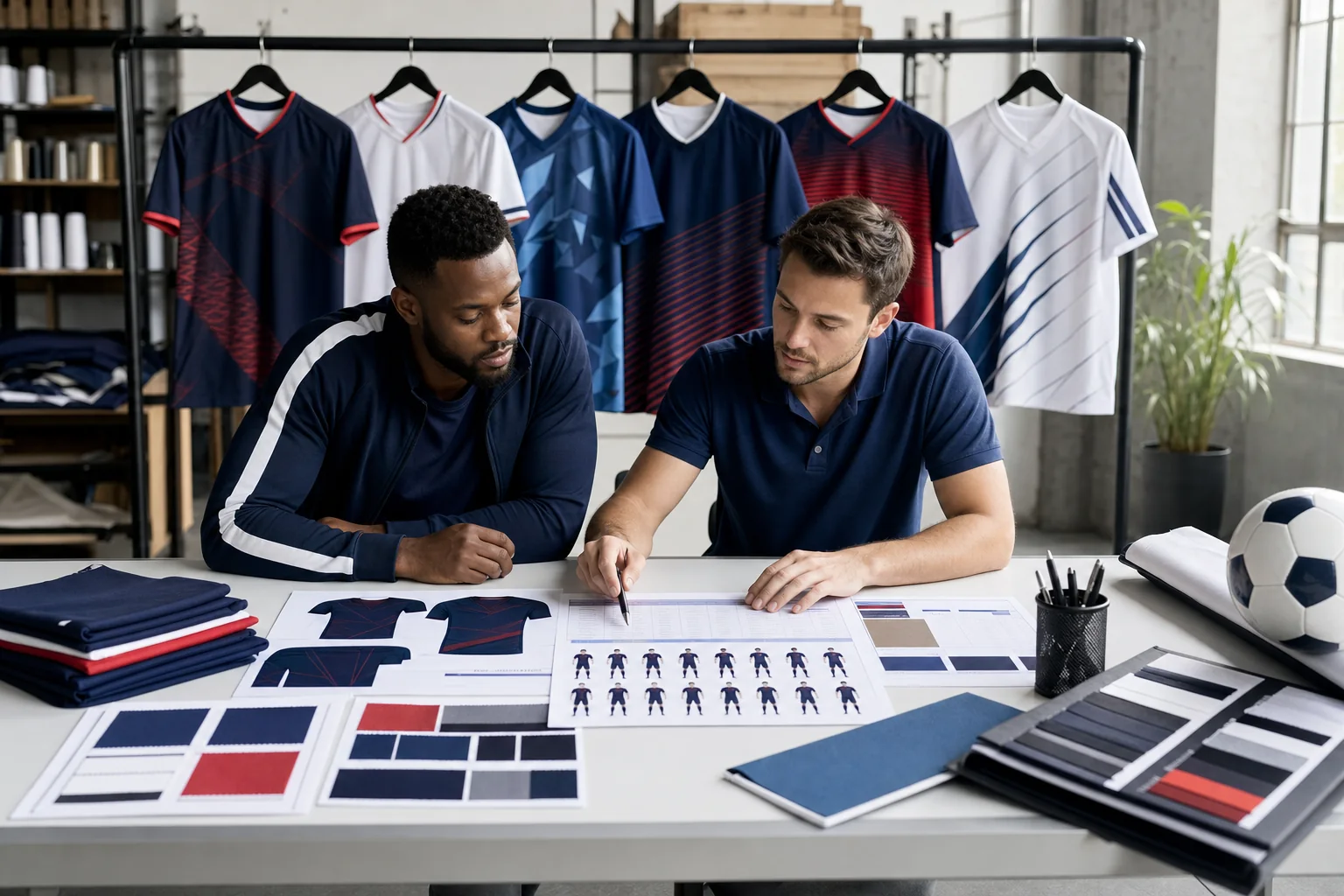
AI is changing how teams explore jersey ideas
Designing a team kit once required drawing skills, professional graphics software or long design meetings. Teams can now use the generative image platform of their choice to explore colours, patterns and visual identities. This does not automate manufacturing; it makes the customer vision easier to see and communicate.
Explore Our Models
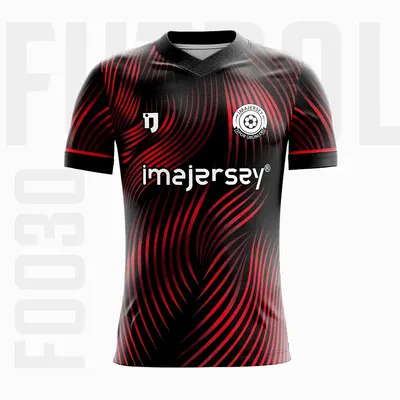
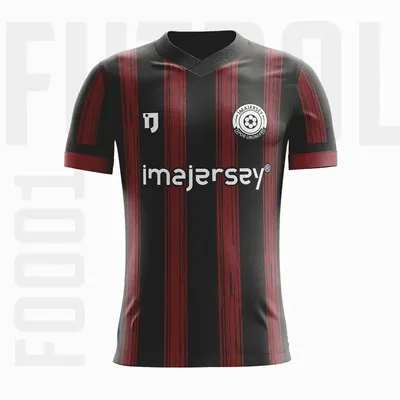
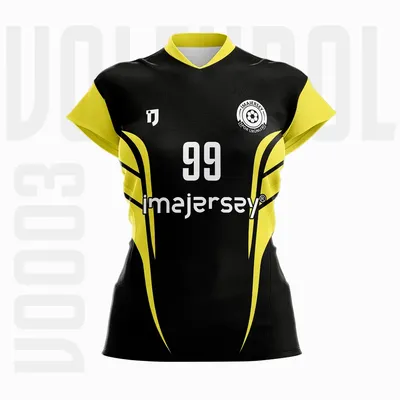
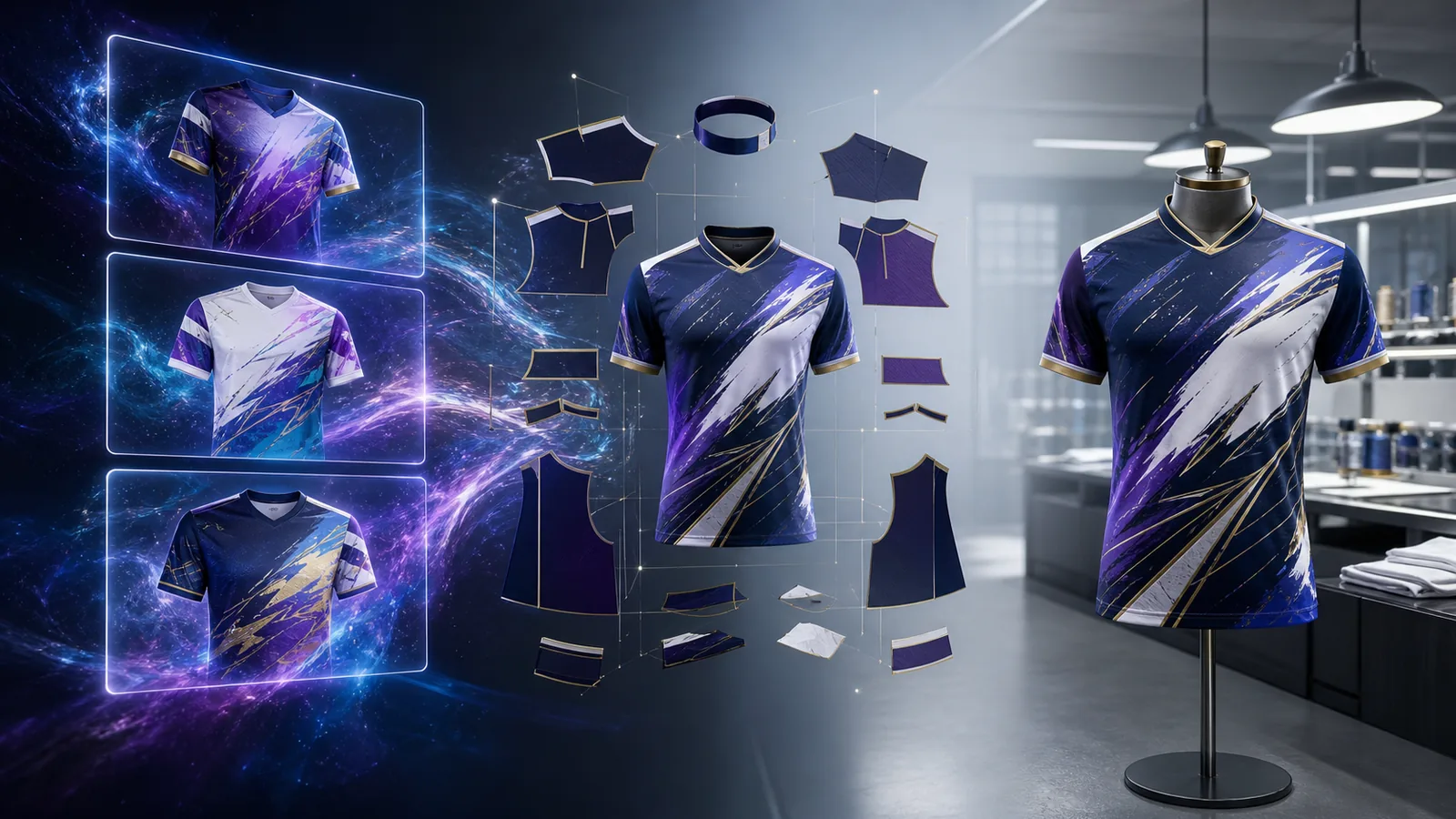
There is no AI design application built into the imajersey website. The customer creates concepts independently with ChatGPT, Gemini or another preferred tool. imajersey evaluates the chosen direction through professional production knowledge and turns the approved idea into a real sports kit. General options are available on the custom jersey manufacturing page.
How does AI expand the creative space?
The main benefit is not simply producing one design faster. Teams can see several interpretations of the same colours: minimal, aggressive, geometric, traditional or futuristic. Instead of describing a vague navy-and-white jersey, a manager can communicate the desired visual language through selected references.
This is especially useful for customers who do not know design terminology. Pattern density, diagonal movement and panel rhythm are easier to discuss when everyone can see a concept.
Imagination and manufacturable design are different stages
Generative AI can ignore physical garment construction. A real jersey contains front, back, sleeve, neckline, side and shorts pattern pieces. Fabrics are cut and sewn, and graphics must meet across real seams. The AI image is therefore a creative starting point, not final print artwork.
Impossible seams, mismatched sleeves, damaged logos, unreadable words and missing back views must be resolved. imajersey production experience bridges the gap between the imagined appearance and a garment that can be manufactured consistently.
Explore the identity of the team
- Powerful: sharp geometry, high contrast and dark bases
- Minimal: controlled lines and a limited palette
- Local: graphics inspired by regional culture or architecture
- Futuristic: flowing digital textures and dynamic transitions
- Classic: stripes, colour blocks and traditional necklines
After exploring, select one clear direction. Too many contradictory references make production decisions harder rather than easier.
Ask better questions when generating a concept
Define the sport, main and secondary colours, visual character, neckline and required views instead of requesting only “a jersey design.” For example: “a professional football jersey concept in navy and white, front and back product views, strong geometric pattern and V neckline.”
Do not rely on generated crests, sponsors or wording. Use AI only to show approximate placement, then provide the real artwork files for production.
Can AI shorten the decision process?
Visual alternatives can turn an abstract team discussion into clear choices. However, producing unlimited images may create indecision. A practical method is to explore three directions, choose one and refine only that concept. One authorised manager should communicate the final decision to the manufacturer.
Why human production expertise remains essential
AI proposes an appearance but does not guarantee fabric stretch, neckline construction, seam allowance, print behaviour or athlete movement. Production-ready work requires pattern, sublimation, colour, sizing and quality-control knowledge.
For the detailed technical transition, read the AI image to real custom kit guide.
Colour, fabric and fit change the final result
The same graphic appears different on smooth Jarse, textured Damla, Polymesh or open mesh. Compare Kappa, Damla, Jarse, Polymesh, Puma, stretch fabric, German Mesh and American Mesh in the 2026 sports jersey fabric comparison.
Set-in sleeves create a classic structure, while raglan sleeves produce a sportier line from underarm to neckline. Crew, V, mandarin, V-polo and buttoned polo options also change the identity of the design.
How does sublimation support creative concepts?
Digital sublimation allows multicolour graphics to be applied to suitable polyester textiles. Geometric patterns, transitions and full-surface artwork can be planned together with crests, sponsors, names and numbers. Explore the digital jersey collections.
Who can benefit?
- Football clubs building an original identity
- Amateur teams seeking a distinctive appearance
- Basketball and volleyball teams needing dynamic visual concepts
- Schools, universities and municipalities
- Corporate sports events
- Clubs using regional or cultural inspiration
A practical journey from dream to kit
- Define team identity and colours.
- Create several concepts in the AI tool you already use.
- Select one primary direction.
- Send that image, real logo files and order details to imajersey.
- Choose fabric, fit, neckline and set.
- Review production-ready front and back artwork.
- Confirm names, numbers, sizes and quantities.
- Approve the final version for manufacturing.
Protect originality in the AI era
Generative platforms may repeat common visual trends. Build originality from the history of the team: founding year, city silhouette, regional motifs, nickname or a meaningful colour story. Avoid copying another club and use your own identity as the creative source.
Conclusion: customer imagination, imajersey production experience
AI helps customers visualise ideas and explore several design directions. The real value comes from turning the selected concept into a wearable product through the right fabric, pattern, colour and printing method.
Create the dream jersey in the tool you prefer, then send the selected visual, logo files, sport and quantity through the imajersey contact page. Custom production starts from six pieces and is planned after the technical choices are confirmed.